How Does Your Body Know When You Are Hungry?
Learn how hunger actually works, from hormones like ghrelin and leptin to your brain and stomach, explained in plain, simple language.
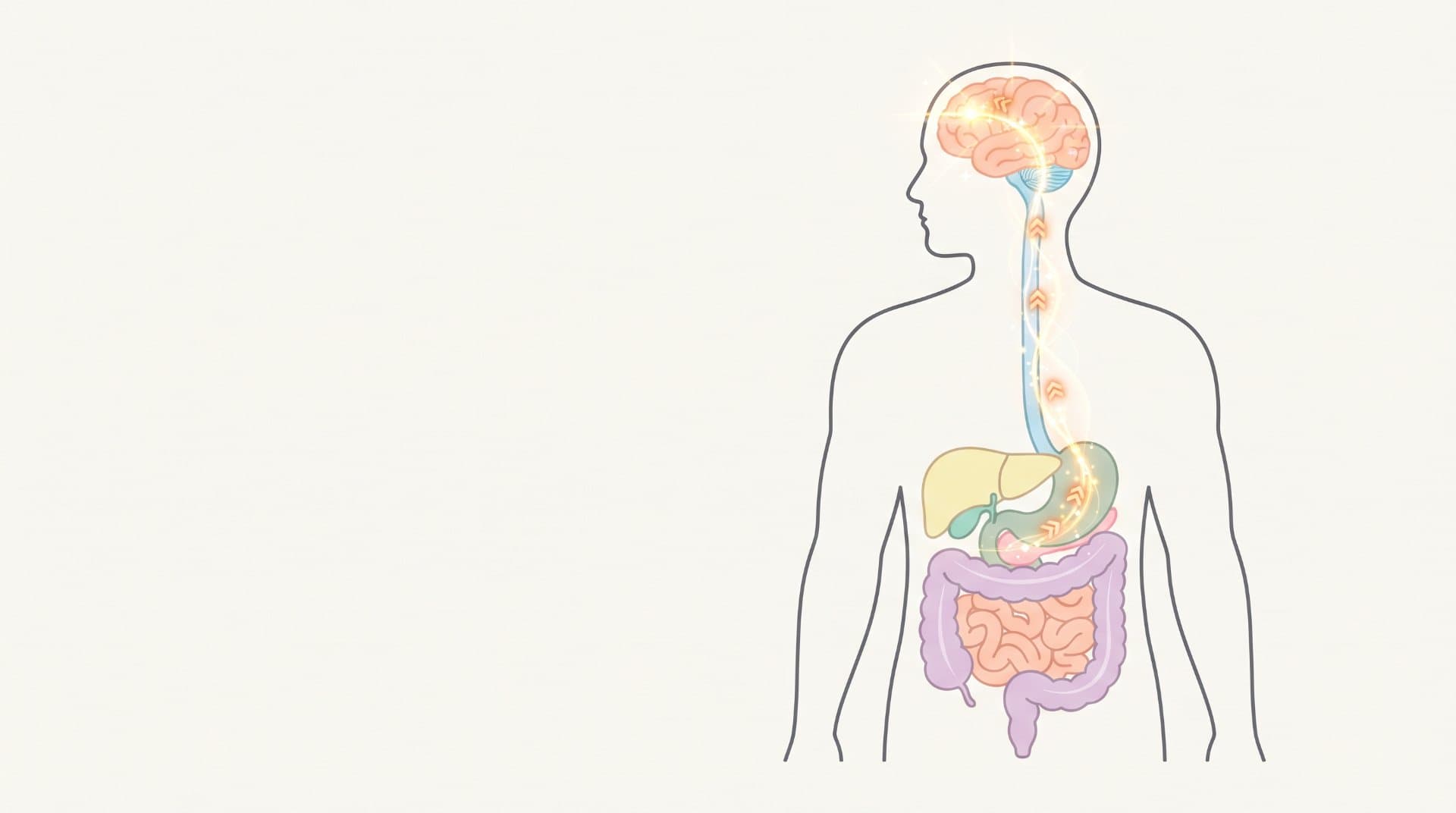
Hunger feels simple. Your stomach growls, you feel a bit empty and you go eat something. But underneath that simple feeling is a fairly detailed system involving your brain, your gut and several hormones working together.
Here is what actually happens when your body decides it is time to eat.
Hunger Starts With Your Brain, Not Just Your Stomach
Most people assume hunger begins in the stomach. It does play a role, but the main control center is a small part of the brain called the hypothalamus.
The hypothalamus constantly checks signals coming from the rest of the body. It looks at things like blood sugar levels, stored fat and hormone levels. Based on this information, it decides whether to turn hunger "on" or "off."
Think of it like a thermostat. A thermostat does not feel hot or cold itself. It reads signals from a sensor and reacts. The hypothalamus works in a similar way, except it is reading signals about energy instead of temperature.
The Hormone That Tells You to Eat: Ghrelin
Ghrelin is often called the "hunger hormone." It is made mostly in the stomach.
When your stomach has been empty for a while, ghrelin levels start to rise. This hormone travels through the blood and reaches the hypothalamus, where it sends a clear message: energy levels are low, it is time to eat.
Ghrelin levels usually go up before a regular mealtime. This is one reason people often feel hungry around the same time every day, even if they ate a similar amount the day before. The body has learned the pattern.
The Hormone That Tells You to Stop: Leptin
Leptin works in the opposite direction. It is produced by fat cells and its main job is to tell the brain that the body has enough stored energy.
When leptin levels are normal and stable, the brain gets the message that food intake can slow down. This is part of what creates the feeling of being satisfied after eating.
Leptin does not act instantly. It takes some time for the signal to reach the brain, which is one reason eating too quickly can lead to overeating. The "I'm full" signal simply has not arrived yet.
Your Stomach Sends Its Own Signals
While hormones are doing their work in the background, the stomach itself is also involved.
As you eat, the stomach stretches. Stretch receptors in the stomach wall detect this and send signals to the brain through the vagus nerve, a long nerve that connects the gut and the brain. This is a faster, more immediate signal compared to hormones and it plays a big part in the feeling of fullness during a meal.
This is also why eating slowly tends to help people feel satisfied with less food. The stomach has more time to send its stretch signals before a person eats past the point of being comfortably full.
Blood Sugar Plays a Role Too
Blood sugar or glucose, is the body's main source of quick energy. When blood sugar drops, the brain notices.
Low blood sugar can trigger hunger signals even if the stomach is not physically empty. This is part of why some people feel hungry again fairly quickly after eating something high in sugar. Blood sugar rises quickly, then drops quickly and the drop can bring hunger back sooner than expected.
Meals with protein, fiber and healthy fats tend to keep blood sugar more stable, which is one reason they often keep people feeling full for longer.
Hunger vs. Appetite: Are They the Same Thing?
Not exactly. Hunger and appetite are related, but they are not identical.
Hunger is a physical need for food, driven by hormones, blood sugar and energy stores.
Appetite is more about desire. It can be influenced by hunger, but also by smell, sight, habit, emotions and even the time on the clock.
This is why people sometimes want to eat even when they are not truly hungry, such as when they smell fresh bread or see food advertised. The body is not necessarily short on energy. The brain is simply reacting to a cue.
Common Signs Your Body Is Actually Hungry
Physical hunger usually builds up gradually and can include:
A hollow or growling feeling in the stomach
Mild irritability or trouble concentrating
Low energy
A general urge to eat, without a craving for one specific food
Appetite-driven eating, on the other hand, often shows up suddenly, is linked to a specific food and does not go away with just any meal. Wanting pizza specifically, right after seeing a photo of it, is a good example of appetite rather than true hunger.
What Can Disrupt Normal Hunger Signals
A few common factors can throw off the hunger and fullness system:
Not enough sleep. Poor sleep can raise ghrelin and lower leptin, which often leads to increased hunger the next day.
High stress. Stress hormones can affect appetite, sometimes increasing it and sometimes reducing it, depending on the person.
Very restrictive dieting. Eating far too little for a long period can disrupt normal hunger signals and make them harder to read.
Eating too fast. This does not allow enough time for stomach stretch signals or leptin signals to catch up.
If hunger signals feel unusually strong, constantly absent or difficult to manage over a long period, it may be worth speaking with a doctor, since this can sometimes be linked to other health factors.
Why This Matters in Everyday Life
Understanding how hunger works can make it easier to tell the difference between real physical hunger and eating driven by habit, stress or environment. It can also explain common experiences, like feeling hungry again soon after a sugary snack or feeling fuller for longer after a meal with protein and fiber.
Hunger is not just a single feeling. It is the result of a constant back-and-forth between your brain, your gut and several hormones, all working to keep your energy levels balanced.
Frequently Asked Questions
Why do I feel hungry even after eating a full meal?
This can happen if the meal was low in protein or fiber, if you ate very quickly or if the leptin "fullness" signal has not fully reached the brain yet.
Is it normal to feel hungry at the same time every day?
Yes. The body often adjusts ghrelin levels to match a regular eating schedule, which is why hunger can show up around the same times daily.
Can drinking water reduce hunger?
Sometimes. Thirst and hunger signals can feel similar, so drinking water first can help clarify whether the body actually needs food.
Does stress really affect hunger?
Yes, stress hormones can influence appetite, though the effect is different from person to person. Some people eat more under stress, while others eat less.
Share this story with your network
Direct citation and sharing for this investigative report.

Afshan Yasmeen
Writer
Afshan Yasmeen is a writer and independent content creator who shares useful, well-researched, and easy-to-understand articles on her website. She enjoys exploring different topics, learning new things, and turning her research into practical information that readers can actually use. Her writing focuses on clarity, honest information, and a simple human style. She takes the time to research topics carefully and aims to explain even complex subjects in a way that feels natural and easy to follow. Through her website, Afshan shares her knowledge, ideas, findings, and helpful guides with readers from different backgrounds. Her goal is simple: to create content that is genuinely useful, trustworthy, and worth reading.
Related Coverage & Dispatches
More in Science & Health →
Why Does Your Body Feel Tired After a Poor Night of Sleep?
Poor sleep leaves you drained the next day. Here's what happens inside your body, why it makes you tired and what actually helps.
Afshan Yasmeen1 hours ago
Why Does Regular Walking Matter More Than Many People Think?
Walking looks too simple to matter, but the research says otherwise. Here's what regular walking actually does for your body, mind and long-term health.
Afshan Yasmeen11 hours ago
Why Walking Every Day Can Be More Useful Than You Think
Walking looks simple, but doing it daily brings real benefits. Here's what regular walking actually does for your body, mind and daily life.
Afshan YasmeenSep 9, 2026Reader Discussion (0)
No comments yet. Be the first to start the discussion!