Santo Domingo Cultural Tours Guide for Visitors
Plan a rewarding city day with this Santo Domingo cultural tours guide, featuring historic sites, museums, food, timing and booking tips for visitors.
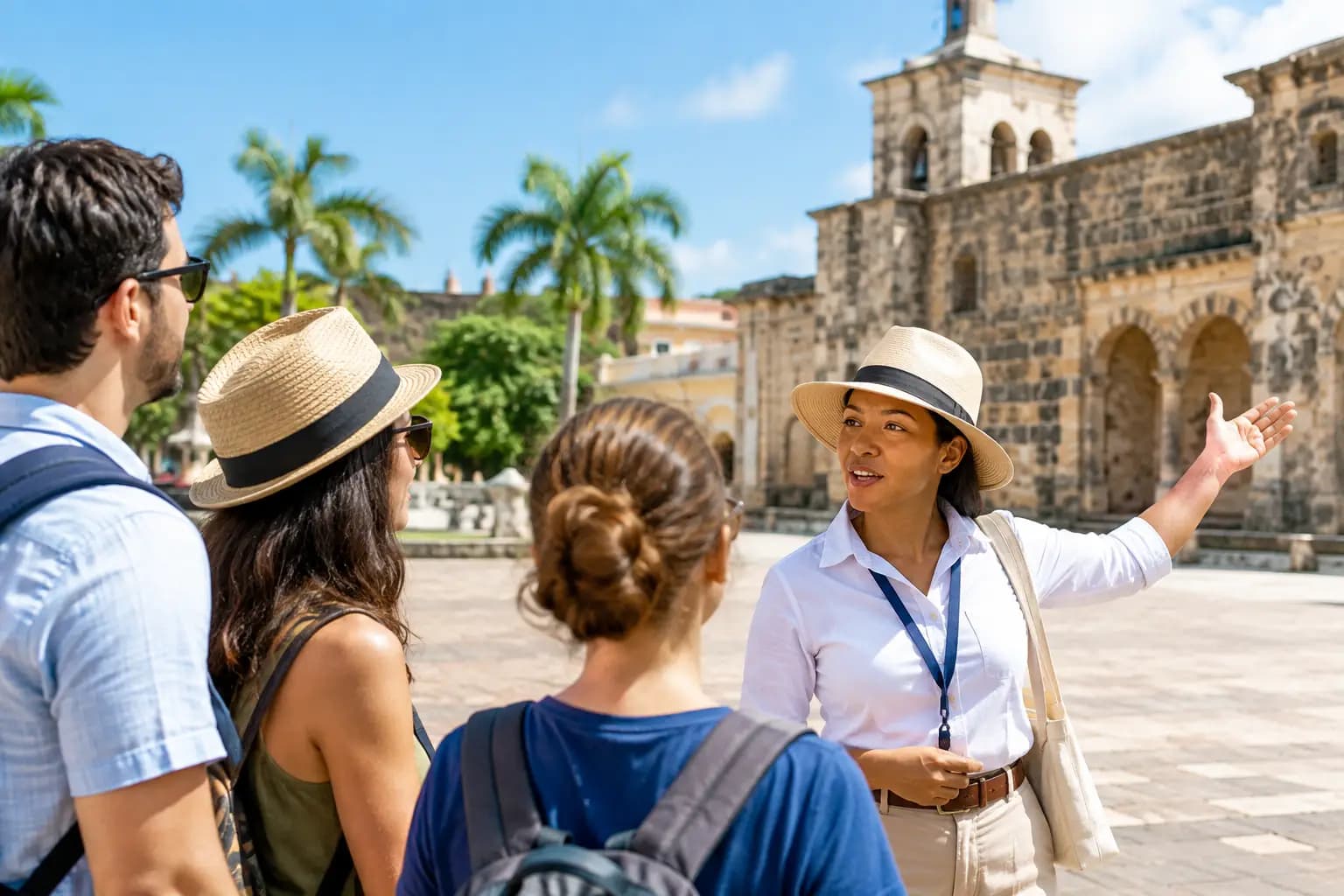
Santo Domingo is more than a transfer point before the beach. It is the oldest permanent European settlement in the Americas, with centuries of colonial architecture, Dominican art, music, food and daily city life packed into a busy capital. This Santo Domingo cultural tours guide helps you choose an experience that fits your schedule, group and budget without trying to see everything in one rushed day.
What a Santo Domingo Cultural Tour Should Include
The best cultural tours give you context, not just photo stops. In Santo Domingo, that usually means time in the Colonial Zone, a guide who can explain the city’s Spanish colonial history and Dominican identity and a comfortable pace through streets that can be hot and active by midday.
A half-day tour works well for travelers with limited time, cruise visitors or families who prefer a shorter outing. Expect a focused route through major landmarks, often with transportation from central hotels. A full-day experience is a better choice if you want to add museums, a local lunch or stops beyond the historic district.
Price is not the only factor to compare. Check whether hotel pickup, entrance fees, lunch, bottled water and a bilingual guide are included. A lower starting price can be a good value, but only if the itinerary includes the places you actually want to visit.
The Colonial Zone: The Essential Stop
The Colonial Zone, also called Zona Colonial, is the center of most Santo Domingo cultural tours. Its walkable streets hold the oldest cathedral in the Americas, former colonial homes, plazas, churches and government buildings dating back to the early Spanish period.
Calle Las Damas is commonly included because it is one of the city’s most historic streets. Walking here gives visitors a clear sense of the district’s scale: stone buildings, balconies, shaded corners and landmarks are close together, but each has a different story. A guided walk makes a noticeable difference because many buildings look similar from the outside until someone explains their original purpose.
You may also visit Parque Colón, the Catedral Primada de América, Alcázar de Colón and Fortaleza Ozama. These are not interchangeable stops. The cathedral is important for its religious and architectural history, while Alcázar de Colón provides a view into elite colonial life. Fortaleza Ozama is often the stronger choice for travelers interested in military history and views over the Ozama River.
Choose the Right Tour Style for Your Trip
There is no single best cultural tour for every visitor. The right option depends on where you are staying, how much walking your group can manage and whether history, food, art or local atmosphere is your main priority.
Walking Tours for History-Focused Travelers
A walking tour of the Colonial Zone is usually the most direct and affordable option. It is ideal for independent travelers already staying in Santo Domingo and for visitors who want more time to ask questions. Because the historic district is compact, a good walking route can cover major sites without long bus rides.
The trade-off is the weather. Santo Domingo can feel very warm and humid, particularly from late morning through afternoon. Choose a morning or late-afternoon departure when possible, wear comfortable shoes with grip on uneven streets and bring sun protection. Travelers with mobility concerns may prefer a vehicle-based city tour with shorter walking segments.
Panoramic City Tours for First-Time Visitors
A panoramic tour combines the Colonial Zone with broader views of the capital. Routes may include the Malecón waterfront, the National Palace area, modern business districts, residential neighborhoods and monuments outside the old city.
This option is practical if Santo Domingo is your first stop in the Dominican Republic and you want to understand how the historic center connects to the modern capital. It also works well for groups with different interests. One person may be excited about colonial landmarks while another wants to see the city beyond the tourist streets.
Ask how much time is actually spent walking in the Colonial Zone. Some panoramic tours are excellent introductions but allow only quick photo stops. If the old city is your main reason for booking, select an itinerary that clearly includes a guided walk and time inside at least one major attraction.
Food, Rum and Local Culture Experiences
Culture is not limited to monuments. A food-focused tour can introduce Dominican flavors such as tostones, empanadas, mangú, fresh tropical fruit, coffee, cacao and local rum. These tours are a strong choice for couples, friend groups and repeat visitors who have already seen the main landmarks.
Food experiences vary widely. Some include tasting stops at local businesses; others center on a full Dominican meal. If you have dietary restrictions, confirm details before booking rather than assuming substitutions will be available. It is also worth asking whether drinks are included, especially when rum tastings are part of the schedule.
A cultural night out can add another side of the city. Santo Domingo has merengue and bachata in its DNA, but nightlife options can be louder and later than a standard daytime excursion. This is better for adults and groups looking for music and social energy, not families seeking an early evening activity.
When to Book Your Santo Domingo Cultural Tour
For the most comfortable sightseeing, book a morning departure. Streets are generally cooler and you can finish before the strongest midday sun. Morning tours also leave your afternoon free for lunch, shopping, a museum visit or relaxing at your hotel.
Afternoon departures can still work well, especially when they end around sunset in the Colonial Zone. The light is better for photos and the district often becomes more lively as restaurants and cafés fill up. Keep in mind that traffic in the capital can affect pickup times, so avoid scheduling a tight airport transfer or dinner reservation immediately after a city tour.
Weekends bring more local activity to the Colonial Zone, which can make the area feel especially vibrant. They can also mean larger crowds at popular landmarks and slower traffic. If you prefer a quieter, more focused history experience, a weekday morning is often the better fit.
Practical Tips Before You Go
Bring Dominican pesos for small purchases, tips and local snacks, although many tourist businesses also accept cards or US dollars. Small bills are useful. Keep valuables secure and carry only what you need for the day.
Dress for warm weather, but remember that some churches and formal sites may be more comfortable with modest clothing. Lightweight layers are practical because air-conditioned vehicles and museums can feel cool after time outside. A refillable water bottle, sunscreen, sunglasses and a phone power bank are worthwhile on a full-day outing.
Most guided cultural tours are offered in Spanish and English, but language availability can depend on the departure date and group size. Confirm this at booking if English commentary is essential. It is also smart to verify pickup details. Santo Domingo hotels, vacation rentals and cruise terminals do not always have the same meeting arrangements.
Pair Your Tour With the Right Santo Domingo Stops
A cultural tour can be the centerpiece of a full city day, but do not overpack your schedule. After a morning in the Colonial Zone, choose one extra experience rather than attempting several. A museum, a relaxed Dominican lunch or time along the Malecón will feel more rewarding than racing across town.
Families may prefer pairing history with an open-air stop or a casual meal. Couples often enjoy a later walking tour followed by dinner in the Colonial Zone. Friend groups can combine a daytime city experience with a food or nightlife activity, provided everyone is comfortable with a later return.
If your vacation includes Punta Cana, Samaná, Puerto Plata or another Dominican destination, plan carefully before treating Santo Domingo as a day trip. The capital is best enjoyed with enough time for the drive and the sites themselves. An overnight stay can be the better value when you want a true cultural experience instead of a long day on the road.
Book With a Clear Itinerary
Before reserving, look for a clear departure location, realistic duration, included admissions and cancellation terms. Booking Adventures helps travelers compare Dominican Republic excursions by destination, making it easier to find a Santo Domingo option that matches where you are staying and what you want to spend.
The city rewards travelers who leave room for a slower moment: a shaded plaza, a coffee break, a conversation with your guide or an extra few minutes looking at a centuries-old doorway. Build that space into your plan and Santo Domingo will feel like a destination rather than just another stop on the itinerary.
Share this story with your network
Direct citation and sharing for this investigative report.

View Point Spot
Editor-in-Chief
View Point Spot is a place for ideas, stories, insights and different points of view. We share useful, interesting and easy-to-understand content across a wide range of topics, helping readers discover something new and see the world from a different perspective.
Related Coverage & Dispatches
More in Travel →
Viva Miches by Wyndham Tours Worth Booking
Plan Viva Miches by Wyndham, a Trademark All Inclusive Resort tours with easy departures, top excursions, prices and booking tips in DR.
View Point Spot2 hours ago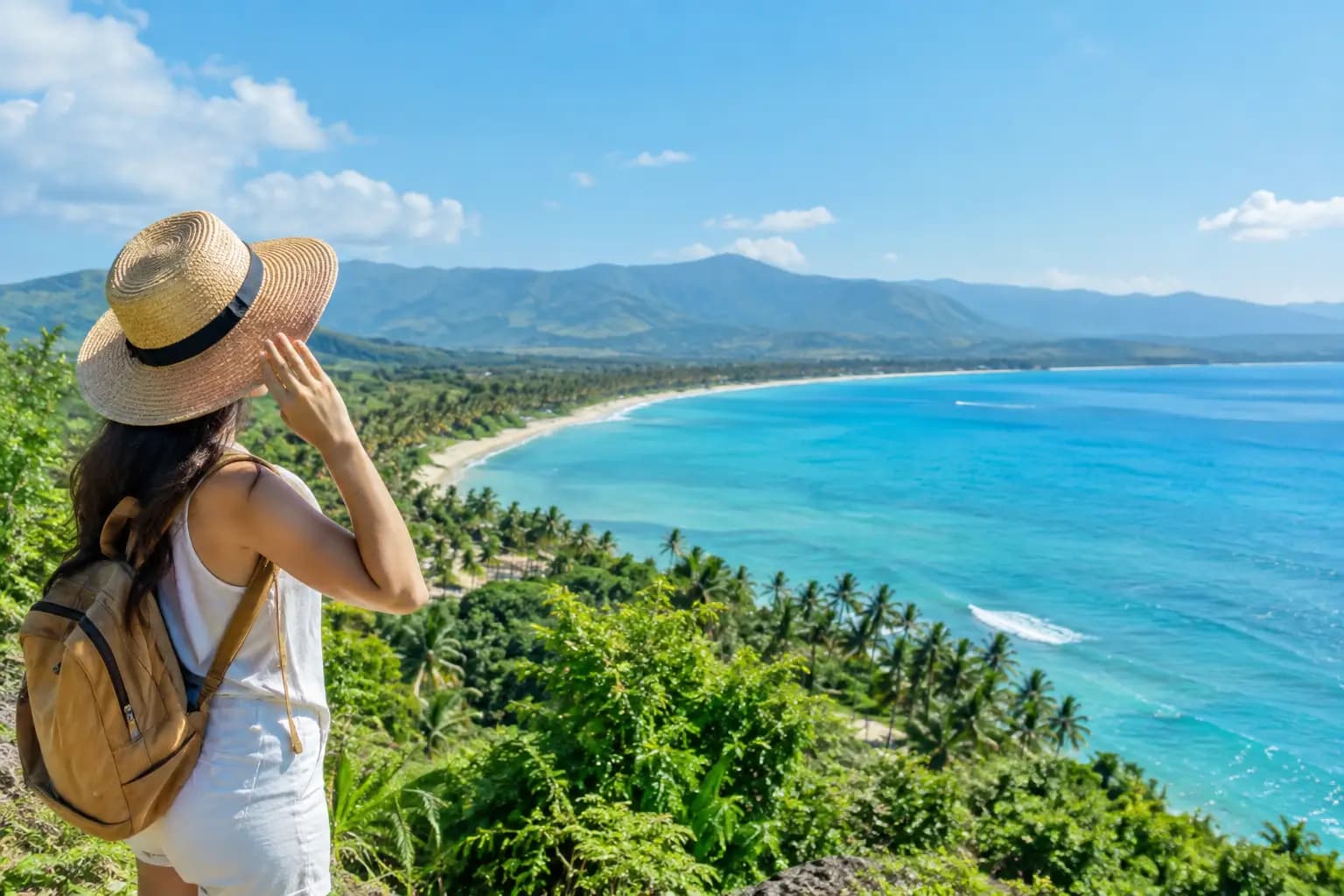
Day Trip Near Me Miches: Best Local Escapes
Planning a Day trip near me Miches? Compare beaches, mountain views, nature parks and boat tours with practical timing, transport and booking tips today.
View Point Spot2 hours ago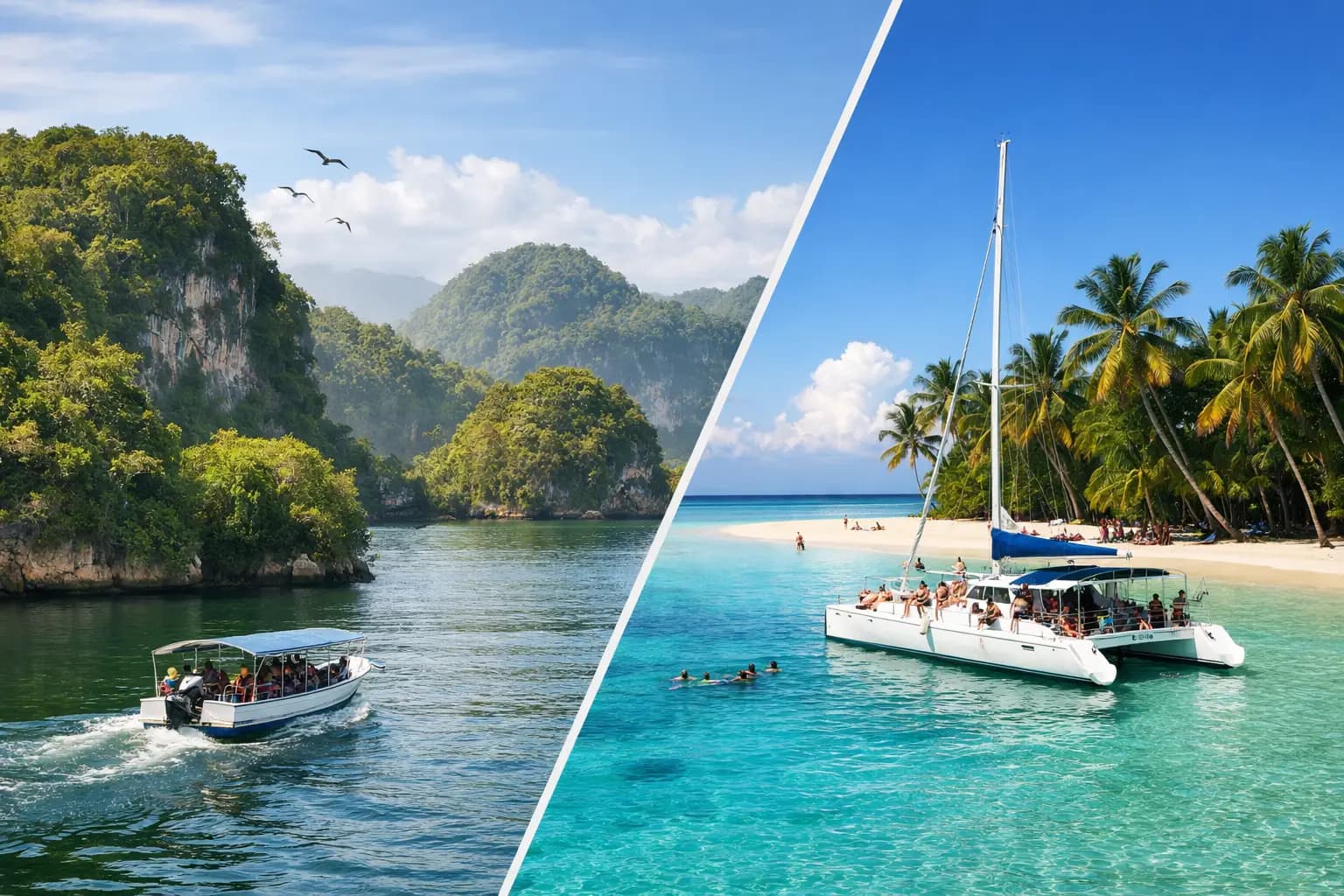
Los Haitises vs Saona Island: Which Tour Is Better?
Los Haitises vs Saona Island: which tour is better? Compare scenery, travel time, activities and departure points for your Dominican Republic trip now.
View Point Spot2 hours agoReader Discussion (0)
No comments yet. Be the first to start the discussion!