What Happens to Your Body When You Spend Too Much Time Sitting?
Sitting for hours can affect your heart, muscles and metabolism. Here's what actually happens to your body and simple ways to break up long sitting time.
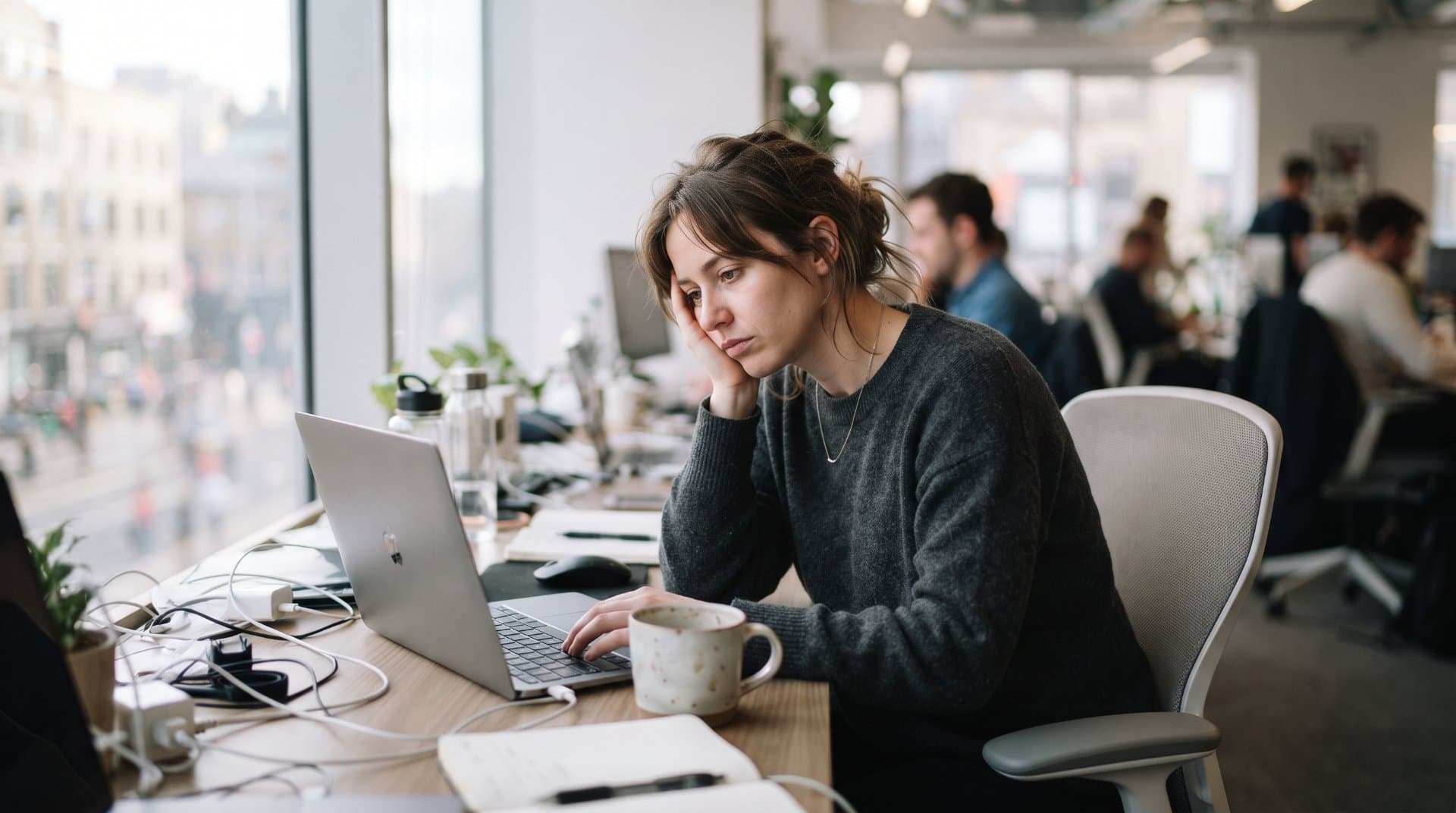
Most people sit more than they realize. Commuting, working at a desk, eating meals and relaxing in front of a screen can add up to 10 hours of sitting or more in a single day. The body isn't built for that. It's built to move.
Here's what actually happens inside your body during long sitting sessions and what the research says you can do about it.
Your Muscles Start Working Less
When you sit, most of your large muscles especially in your legs and glutes go mostly idle. These muscles normally help control blood sugar and fat by staying active in the background, even when you're not exercising.
According to the Mayo Clinic, when you sit, you use less energy than you do when you stand or move. Over time, this lower activity level is linked to weight gain and a harder time managing blood sugar.
Your posture muscles are affected too. Hours in a chair, especially with poor posture, can weaken the muscles that support your lower back and core. This is one reason people who sit for long stretches often develop lower back pain and stiff hips.
Your Metabolism Slows Down
Muscle contractions help your body process fat and sugar from the food you eat. When you're sitting, those contractions almost stop. Extended sitting has been linked to obesity, along with a cluster of conditions known as metabolic syndrome increased blood pressure, high blood sugar, excess body fat around the waist and unhealthy cholesterol levels.
This doesn't mean sitting for an hour will cause diabetes. It means that when sitting becomes the default for most of your day, every day, the small effects start to add up.
Your Heart Has to Work Differently
Movement helps blood circulate efficiently. Sitting for long, unbroken stretches reduces blood flow in the legs, which can cause swelling and puts extra strain on your circulatory system over time.
Too much sitting overall also seems to raise the risk of death from heart disease and cancer. In one large analysis covering more than a million people, people who sat for more than eight hours a day with no physical activity had a risk of dying similar to the risk posed by obesity and smoking.
That's a striking comparison and it's worth being precise about what it means. It's not saying sitting is exactly as dangerous as smoking in every way. It's saying that, statistically, the two behaviors were linked to a similar level of risk in that particular analysis. The good news from the same research: 60 to 75 minutes of moderate aerobic activity a day appeared to offset the effects of too much sitting.
Not All Sitting Is Equal
Here's something newer research has found that most general advice misses: how you sit matters almost as much as how much you sit.
A study published in PLOS Medicine, led by Frederick Ho at the University of Glasgow, tracked movement patterns using wrist accelerometers over a full week, then followed participants' health outcomes for over a decade. The researchers separated "prolonged" sitting stretches of 30 minutes or more with almost no movement from "interrupted" sitting, where people broke things up with short bursts of activity.
The difference was significant. Each additional hour of uninterrupted sitting was linked to a 9 percent higher risk of dying from cancer. Interrupted sitting, on the other hand, was linked to an 18 to 19 percent lower risk of cancer death. The strongest link in the data was to leukemia, though other cancer types showed associations too.
The takeaway isn't "never sit." It's that breaking up long sitting stretches even with something as simple as a short walk every 30 minutes may matter more than total sitting time alone.
Your Brain Can Feel It Too
Sitting for hours without moving is also associated with lower energy, reduced focus and a flatter mood for many people. This isn't fully understood, but movement is known to support blood flow and the release of chemicals that affect alertness and mood. If you've ever felt foggy after a long meeting or a multi-hour work session, this may be part of why.
Does Exercise Cancel It Out?
This is the question most people actually want answered and the honest answer is: partly.
Regular exercise clearly helps. But some research suggests that even people who exercise regularly can still face some of the risks linked to long, uninterrupted sitting during the rest of their day. In other words, an hour at the gym doesn't fully undo eight hours of sitting still afterward.
This is why the more useful goal isn't just "exercise more." It's "sit less and break up the sitting you do."
Practical Ways to Sit Less (Without Overhauling Your Day)
You don't need a treadmill desk or a gym membership to make a difference. Small, repeatable habits tend to work better than big changes that don't last.
Stand or walk every 30 minutes. Even two or three minutes of movement can help. A phone alarm or calendar reminder makes this easier to stick to.
Take phone calls standing up. It's an easy habit that removes sitting time without needing extra effort.
Walk during meetings when you can. A short walking meeting works well for one-on-one conversations.
Use a standing desk part of the day, not all day. Standing all day brings its own strain, so alternating is usually more sustainable than switching completely.
Get up during ad breaks or episode transitions. If you watch a lot of TV, this is a simple way to interrupt long sitting stretches at home.
Park farther away or take the stairs. Small additions of movement throughout the day count.
The exact activity matters less than the habit of interrupting long sitting stretches regularly.
When to Pay Closer Attention
If you already have a heart condition, diabetes or a history of blood clots, prolonged sitting may carry more risk for you specifically and moving regularly through the day matters more, not less. If you're dealing with ongoing back pain, leg swelling or numbness that seems connected to how much you sit, it's worth mentioning to a doctor rather than assuming it will resolve on its own.
What to Actually Take Away From This
Sitting itself isn't the enemy sitting without a break for long stretches is where most of the risk shows up. If you take one thing from this article, make it this: set a reminder to stand up every 30 minutes. It's a small change, but it directly targets the pattern that recent research keeps pointing to as the real issue.
FAQ
How many hours of sitting a day is considered too much?
There's no single cutoff that applies to everyone, but research has repeatedly flagged eight or more hours of daily sitting, especially without breaks, as linked to higher health risks.
Can standing desks fully solve the problem?
Not on their own. Standing for long, unbroken stretches has its own downsides, like leg fatigue and lower back strain. Alternating between sitting, standing and moving works better than picking one position all day.
Does going to the gym cancel out a full day of sitting?
It helps and 60 to 75 minutes of moderate activity a day has been linked to offsetting much of the added risk. But it likely doesn't fully cancel out the effects of sitting in long, uninterrupted stretches the rest of the day.
Is it the total sitting time or the length of each sitting stretch that matters more?
Recent research suggests the length of uninterrupted sitting matters a lot. Breaking up sitting every 30 minutes, even briefly, appears to meaningfully lower some risks compared to sitting the same total hours without breaks.
Share this story with your network
Direct citation and sharing for this investigative report.

Afshan Yasmeen
Writer
Afshan Yasmeen is a writer and independent content creator who shares useful, well-researched, and easy-to-understand articles on her website. She enjoys exploring different topics, learning new things, and turning her research into practical information that readers can actually use. Her writing focuses on clarity, honest information, and a simple human style. She takes the time to research topics carefully and aims to explain even complex subjects in a way that feels natural and easy to follow. Through her website, Afshan shares her knowledge, ideas, findings, and helpful guides with readers from different backgrounds. Her goal is simple: to create content that is genuinely useful, trustworthy, and worth reading.
Related Coverage & Dispatches
More in Science & Health →
How Does Your Body Know When You Are Hungry?
Learn how hunger actually works, from hormones like ghrelin and leptin to your brain and stomach, explained in plain, simple language.
Afshan Yasmeen1 days ago
Why Does Your Body Feel Tired After a Poor Night of Sleep?
Poor sleep leaves you drained the next day. Here's what happens inside your body, why it makes you tired and what actually helps.
Afshan Yasmeen1 days ago
Why Does Regular Walking Matter More Than Many People Think?
Walking looks too simple to matter, but the research says otherwise. Here's what regular walking actually does for your body, mind and long-term health.
Afshan Yasmeen1 days agoReader Discussion (0)
No comments yet. Be the first to start the discussion!