How to Keep Indoor Plants Healthy With Simple Daily Care
Learn simple daily habits that keep indoor plants healthy, from watering and light to common mistakes that cause yellow leaves and slow growth.
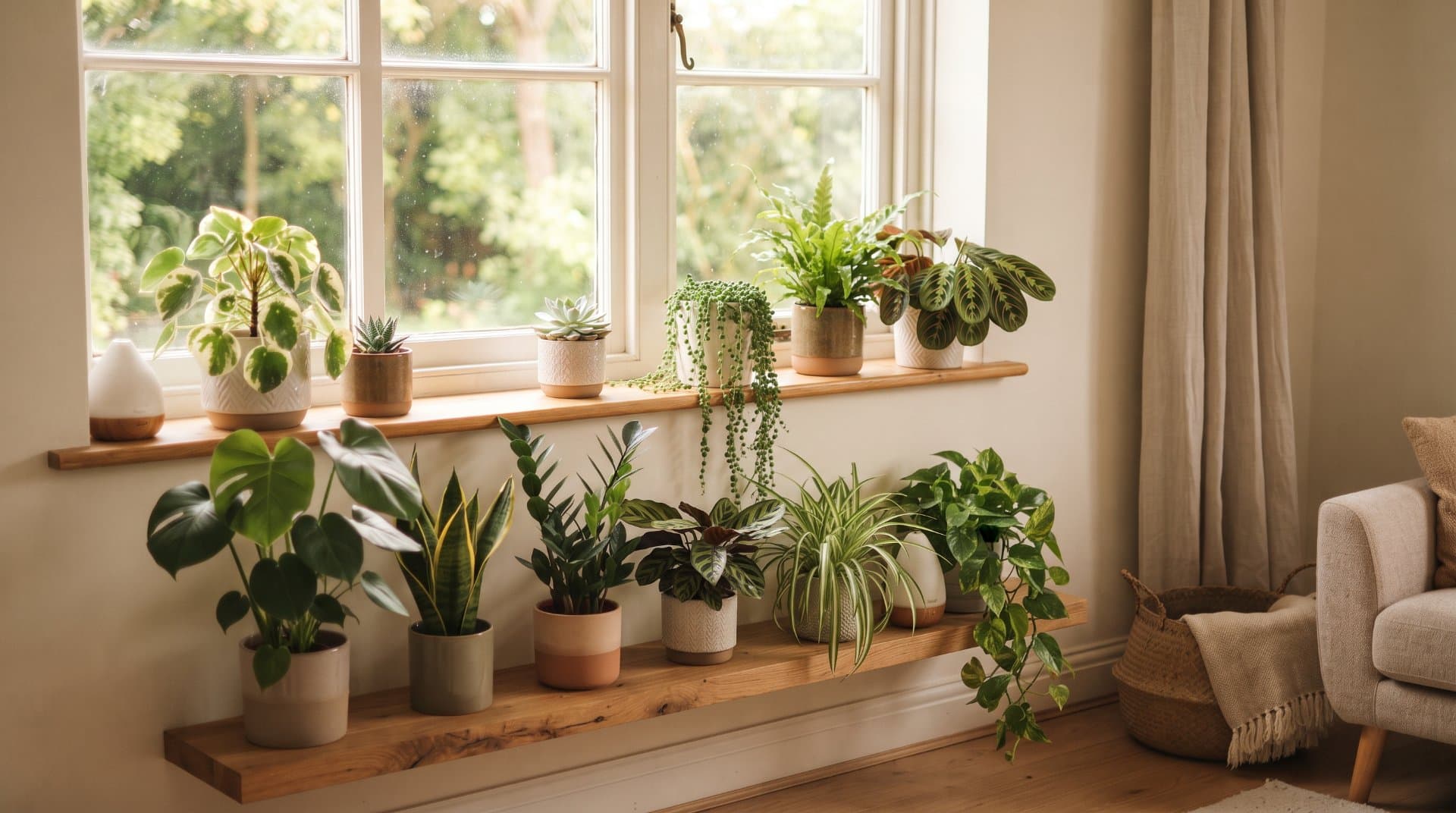
Indoor plants do not need constant attention. What they need is consistency. Most plants die not because their owner forgot about them for one day, but because the daily habits around light, water and air are slightly wrong for weeks at a time.
This guide covers the small daily and weekly habits that keep indoor plants healthy and the common mistakes that quietly cause damage.
Why Daily Care Matters More Than Occasional Attention
A plant does not react well to sudden changes. Watering heavily once a week after letting the soil dry out completely stresses the roots. Moving a plant in and out of bright light on random days confuses its growth pattern.
Small, steady habits work better than big weekly fixes. Checking soil moisture with a finger, glancing at leaf color and rotating pots occasionally all take a few seconds but prevent most common problems.
Give the Plant the Right Amount of Light
Light is the most common reason indoor plants struggle. Too little light causes slow, leggy growth. Too much direct sun can scorch leaves.
Place light-loving plants near a window that gets several hours of bright, indirect light.
Keep low-light plants like pothos or snake plants a few feet back from direct windows.
Rotate pots a quarter turn every week or two so the plant grows evenly instead of leaning toward one side.
If leaves look pale or growth looks stretched and thin, the plant likely needs more light.
If leaves develop brown, crispy patches, it may be getting too much direct sun.
Water Based on the Soil, Not the Calendar
Watering on a fixed schedule is one of the most common mistakes. Indoor plants dry out at different speeds depending on the season, the pot size and the room temperature.
A simple daily habit works better than a strict schedule:
Touch the top inch of soil with your finger.
If it feels dry, water thoroughly until it drains from the bottom.
If it still feels slightly moist, wait another day and check again.
This method takes seconds and prevents both overwatering and underwatering, which are the two biggest causes of plant death.
Signs of overwatering: yellow leaves, soft or mushy stems, soil that stays wet for days, a musty smell.
Signs of underwatering: dry and crispy leaf edges, drooping that improves right after watering, soil pulling away from the pot's edge.
Use Pots With Drainage Holes
A pot without a drainage hole makes it hard to know how much water is sitting at the bottom of the soil. Excess water with nowhere to go is one of the fastest ways to cause root rot.
If a decorative pot has no hole, keep the plant in its original nursery pot and place that inside the decorative one. Water it, let it drain, then set it back in place.
Pay Attention to Air and Humidity
Most common houseplants come from warm, humid environments. Indoor heating and air conditioning can dry out the air more than people expect, especially in winter.
Group a few plants together, since they release moisture that slightly raises humidity around them.
Avoid placing plants directly next to heating vents or air conditioning units.
Wipe dust off large leaves occasionally. Dust blocks light and slows down how well a plant can photosynthesize.
Feed the Plant, But Not Too Often
Indoor plants do not need fertilizer as often as outdoor garden plants. During spring and summer, when most plants are actively growing, a diluted liquid fertilizer every four to six weeks is usually enough. In fall and winter, most plants slow down and need little to no feeding.
Feeding too often can build up salts in the soil, which shows up as brown leaf tips even when watering is correct.
Check for Pests Before They Spread
A quick weekly check of the leaves, especially the undersides, catches pests early. Small white specks, tiny webs or sticky residue on leaves are early warning signs.
If pests are found, isolating the plant from others and wiping leaves with a damp cloth is often enough for a mild case. Persistent infestations may need an insecticidal soap made for indoor plants.
When to Repot an Indoor Plant
A plant usually needs a larger pot when roots start growing out of the drainage hole, when water runs straight through without being absorbed or when growth has clearly slowed down despite good care. Most houseplants only need repotting once every one to two years.
Frequently Asked Questions
How often should I water my indoor plants?
There is no single answer that works for every plant. Check the soil with your finger and water only when the top inch feels dry.
Why are my plant's leaves turning yellow?
Yellow leaves are most often caused by overwatering, though they can also come from poor drainage, too little light or natural aging of older leaves.
Do indoor plants need fertilizer?
Yes, but only during their active growing season, usually spring and summer. Overfeeding can cause more harm than not feeding at all.
Can indoor plants survive without direct sunlight?
Many common houseplants, such as pothos, snake plants and ZZ plants, tolerate low to medium indirect light well. Very few plants do well in a room with no natural light at all.
What to Focus On
Healthy indoor plants come from consistency, not effort. Checking soil moisture before watering, giving plants appropriate light and keeping an eye on leaf color will prevent most problems before they start. When something does look off, the leaves usually show the cause first, so a quick daily glance is often all the diagnosis needed.
Related Topics:
Share this story with your network
Direct citation and sharing for this investigative report.

Afshan Yasmeen
Writer
Afshan Yasmeen is a writer and independent content creator who shares useful, well-researched, and easy-to-understand articles on her website. She enjoys exploring different topics, learning new things, and turning her research into practical information that readers can actually use. Her writing focuses on clarity, honest information, and a simple human style. She takes the time to research topics carefully and aims to explain even complex subjects in a way that feels natural and easy to follow. Through her website, Afshan shares her knowledge, ideas, findings, and helpful guides with readers from different backgrounds. Her goal is simple: to create content that is genuinely useful, trustworthy, and worth reading.
Reader Discussion (0)
No comments yet. Be the first to start the discussion!