How to Plan a Trip Without Making the Schedule Too Busy
A simple guide for people who always put too many things in their travel plan. It explains why trips become tiring, what mistakes people make and how to build a lighter schedule with rest time, travel time and free time.
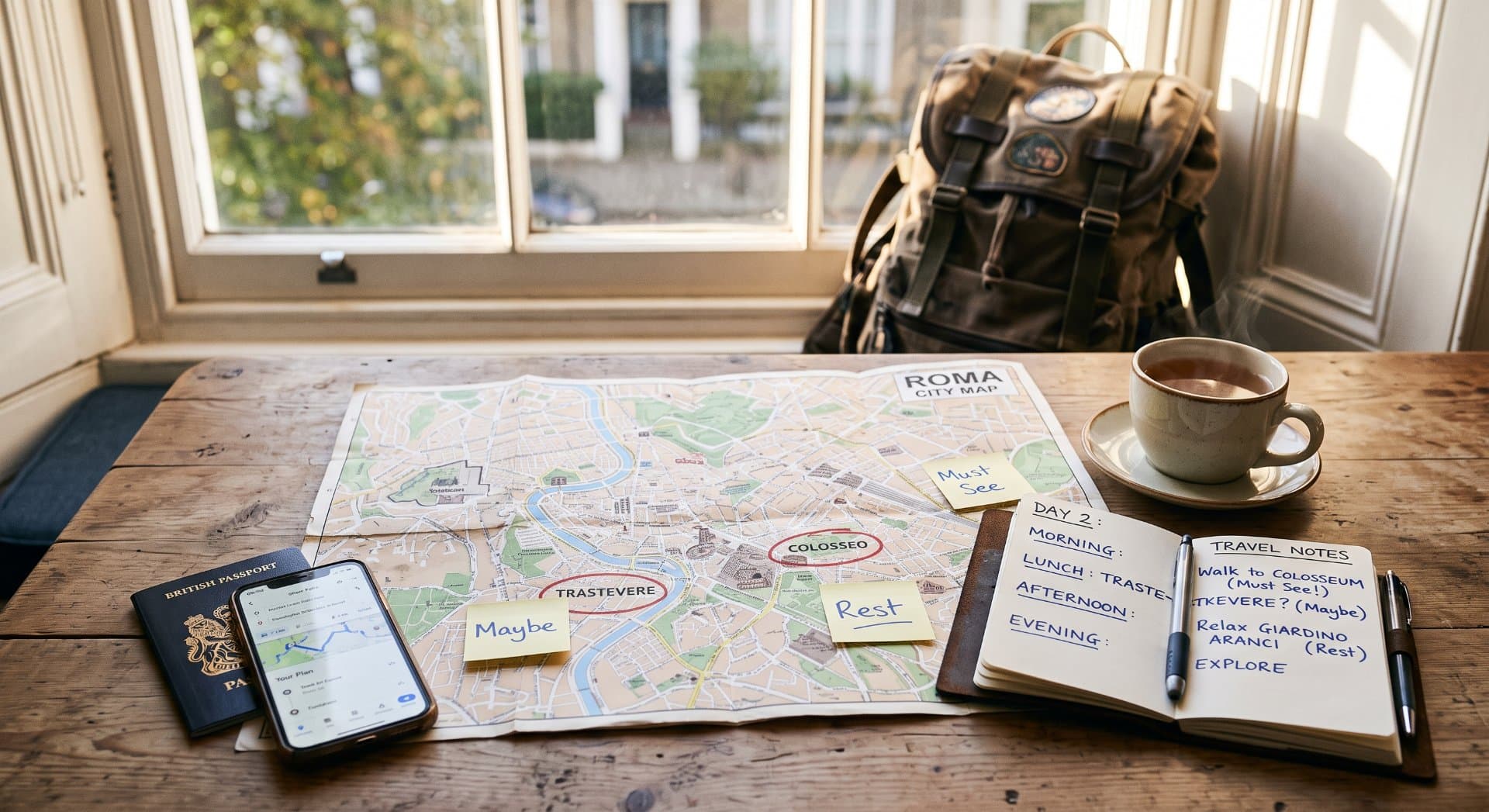
Many people come back from a holiday more tired than before they left. They saw a lot of places, but they did not enjoy much. The reason is usually simple: the plan was too full.
This article explains why it happens and how you can plan a trip with enough space to breathe.
The Problem
When we plan a trip, we feel excited. We open the map, see many famous places nearby and want to see all of them. So we put five or six things in one day.
Then the trip starts and real life comes in. Traffic, long queues, hunger, bad weather, tired kids, wrong turn. The plan breaks by lunch time. After that we feel stressed and keep running behind the schedule. A trip should not feel like work.
Why It Happens
There are some common reasons.
We think the trip is our only chance. If we travel once or twice in a year, we want to use every hour. This feeling is normal, but it makes plans too heavy.
We forget travel time. On the map a place looks 20 minutes away. But you also need time to leave the hotel, find parking or a ride, buy tickets and find the entrance. Then same thing again on the way back.
We copy other people's plans. Someone online did "10 places in 2 days" and it looks great in the video. But that person may be travelling alone, may have no kids and may not care about sleep.
We count places, not enjoyment. A long list feels like a good plan. But seeing a place for 15 minutes and running to next one does not give you much.
What Usually Goes Wrong
Planning every hour from morning to night
Not leaving time for meals and then eating bad food in a hurry
Starting too early on the first day after a long journey
Booking tickets with fixed time too close to each other
Moving hotel every one or two nights
Not thinking about who is travelling. Old parents, small kids or friends who like different things need different speed.
The Solution: Plan Less, Then Plan Better
1. Decide how you want to feel
Before making any list, ask one question: "Do I want a relaxed trip or a full adventure?" If you want to rest, your plan must look very different from a plan for someone who wants to see everything.
Also ask everyone who is travelling with you. If one person wants a slow trip and another wants to see 10 places a day, better to talk before the trip, not during it.
2. Pick only 1 or 2 main things per day
This is the easiest rule. Each day, choose one main thing and maybe one small extra. Everything else is a bonus, not a must.
For example, a day in a new city can look like this:
Morning: one museum or one market
Afternoon: lunch and rest
Evening: walk near the hotel, nice dinner
That is enough for one day. If you do more, good. If not, you are still happy.
3. Count the real travel time
For every place, add extra time. A simple way is to take the time shown on the map and add some more for waiting, walking and finding things. Many people add about half more time. This is not a rule, just a simple habit that works for many trips.
Also, long journeys between cities take away most of a day. Do not plan big sightseeing on that day.
4. Keep one free block every day
Leave one empty part of the day with nothing planned. It can be two hours in the afternoon. You can sleep, sit in a cafe or walk without map. Many of the best travel moments come from this free time, like a small street or a local shop you did not know about.
5. Keep the first and last day light
First day, you are tired from the journey and maybe your room is not ready. Last day, you have to pack and reach the airport or station on time. Do not put big plans on these days.
6. Stay longer in fewer places
Moving from one city to another again and again uses a lot of energy. Packing, checking out, travelling, checking in. Each move can take half a day.
If you have 7 days, two places are often better than four. You will know the place better and feel less rushed.
7. Sort your list into three groups
Write down everything you want to see, then make three groups:
Must see: The trip is not complete without it
Nice to see: Good if time is there
Skip if tired: Only if everything goes well
Put only the must-see things in your fixed schedule. Keep the others for free time or a day when you have energy.
8. Think about meals and rest
Plan where and when you will eat, at least roughly. Hungry and tired people become angry very fast and this spoils a good day. If you travel with kids or older people, add more rest stops.
9. Keep one spare day if the trip is long
For a long trip, one day with no plan at all is very helpful. You can use it if weather is bad, if someone is sick or if you just want to rest. If you do not need it, you can add one more place.
What to Check Before You Go
Look at your plan and ask:
Can I do this plan if I wake up late one day?
Is there any day with more than two main things?
Did I add travel time between places?
Is there time for lunch and dinner?
Is there at least some free time every day?
Will I be OK if one thing gets cancelled or closed?
If you answer "no" to many of these, remove some things from the plan.
When This Advice May Not Work
Sometimes you cannot keep the plan light:
Very short trip. If you only have 2 days in a city, you will have to choose very carefully and the schedule will stay fuller.
Events and fixed bookings. A concert, a tour, a flight or a ticket with a fixed time cannot move. Plan the rest of the day around it.
Tour packages. Many group tours are busy by design. Check the daily schedule before booking and choose a slower tour if you do not like rushing.
Seasonal things. Some places can only be seen at a certain time, like sunrise spots or festival days. You may need an early start, but then keep the rest of that day easy.
In these cases, the goal is still the same. Do the important things well and leave some space around them.
What You Should Do Now
Open your current plan and remove one thing from each day. Yes, really. Most people find that they do not miss it. Then add one free block of time to each day.
After the trip, think about what worked. Did you feel rushed? Was the free time useful? Next plan will become better because of this.
FAQs
How many things should I plan in one day?
There is no fixed number. One or two main things is a good start. If you travel with kids or older people, one main thing may be enough.
How much free time is enough?
A simple start is one free block of around two hours each day. If you feel rushed, make it longer.
Should I book everything before the trip?
Book only what you must, like hotels, transport and tickets that sell out. Keep the rest open so you can change plan if needed.
What if I feel I am wasting time by resting?
Resting is part of the trip. You will enjoy the next place more when you are not tired.
How many days should I stay in one place?
For a short trip, try not to change your hotel too often. Many travellers find that staying at least two or three nights in one place feels more relaxed.
What if I travel with people who want different things?
Let each person pick one thing they really want. Do it together if possible or split up for a few hours and meet for dinner.
Share this story with your network
Direct citation and sharing for this investigative report.

View Point Spot
Editor-in-Chief
View Point Spot is a place for ideas, stories, insights and different points of view. We share useful, interesting and easy-to-understand content across a wide range of topics, helping readers discover something new and see the world from a different perspective.
Related Coverage & Dispatches
More in Travel →
What to Check Before Booking a Hotel
A simple checklist for travelers who want to avoid hotel booking problems. It covers the real total price, location, recent reviews, cancellation rules, payment terms, room details and what to do after booking.
View Point Spot19 hours ago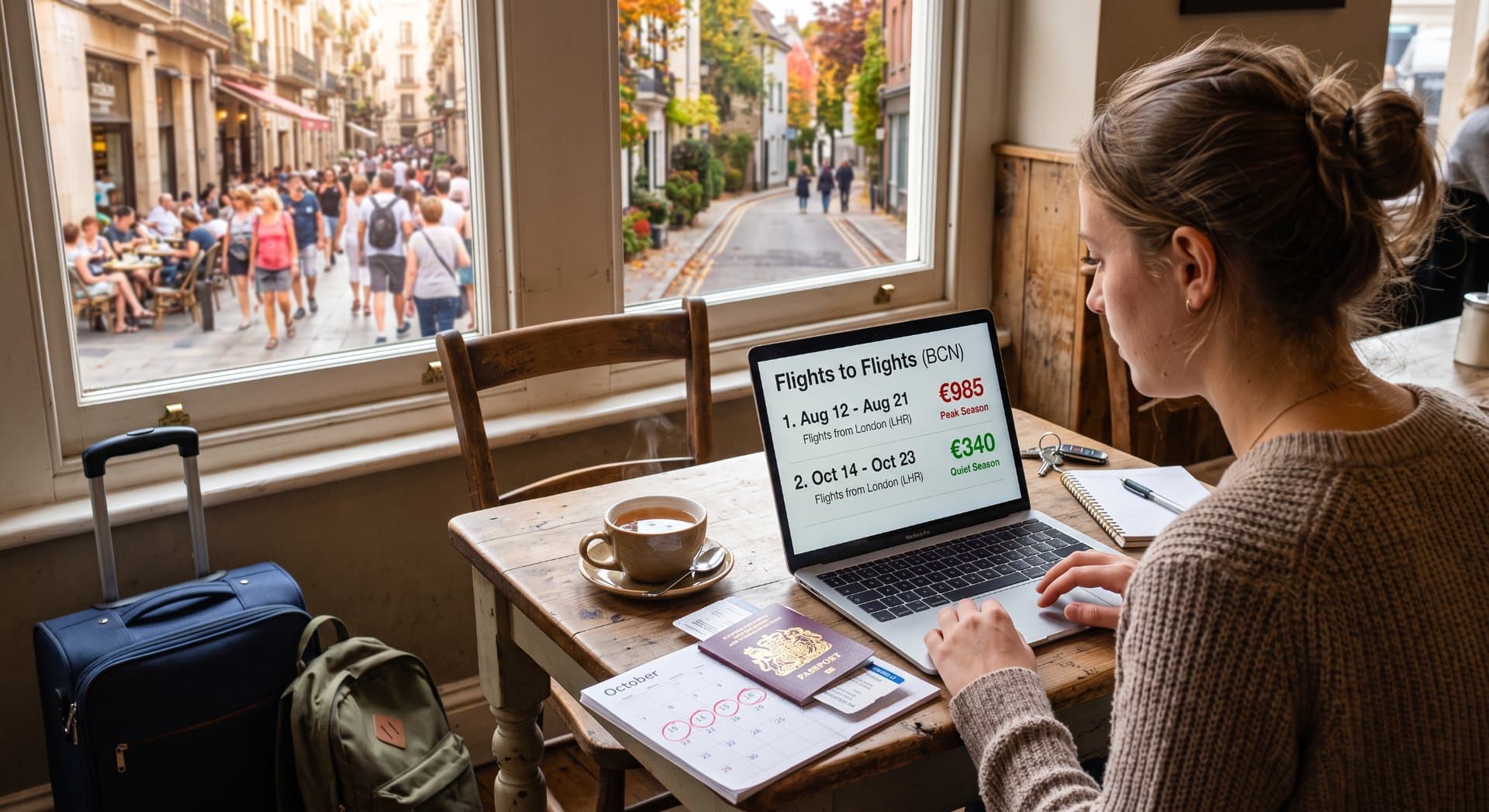
Why Travel Costs Change So Much During the Year
This article explains why flight and hotel prices go up and down during the year. It covers seasons, holidays, events, booking demand and the fuel problem in 2026. The reader learns how to choose better dates and what to check before booking.
View Point Spot19 hours ago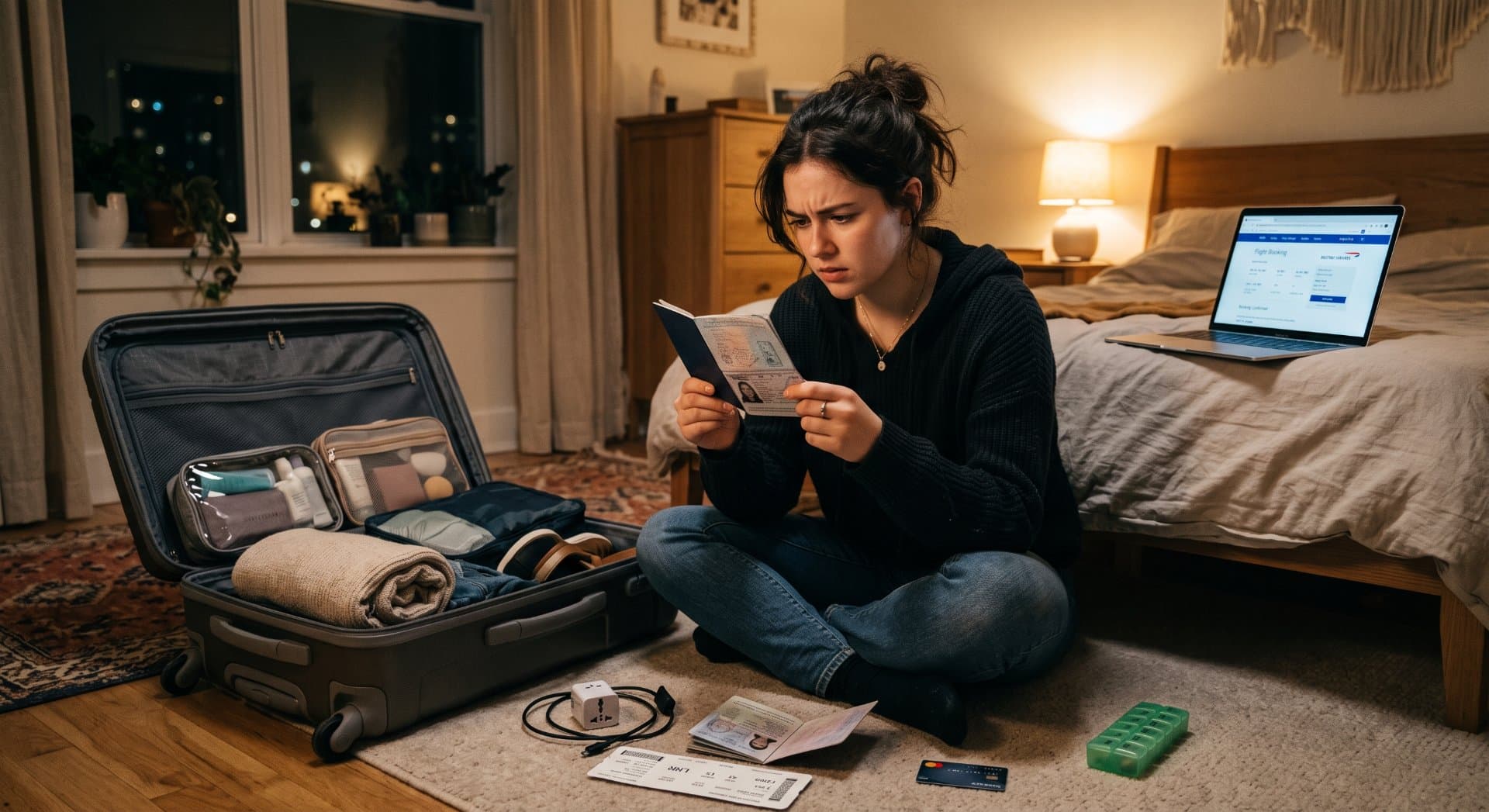
What First-Time Travelers Often Forget Before Leaving Home
Passport validity, entry rules, phone data, power plugs, bank cards. These are the things first-time travelers forget and how to check each one before you go.
View Point Spot1 days agoReader Discussion (0)
No comments yet. Be the first to start the discussion!