What First-Time Travelers Often Forget Before Leaving Home
Passport validity, entry rules, phone data, power plugs, bank cards. These are the things first-time travelers forget and how to check each one before you go.
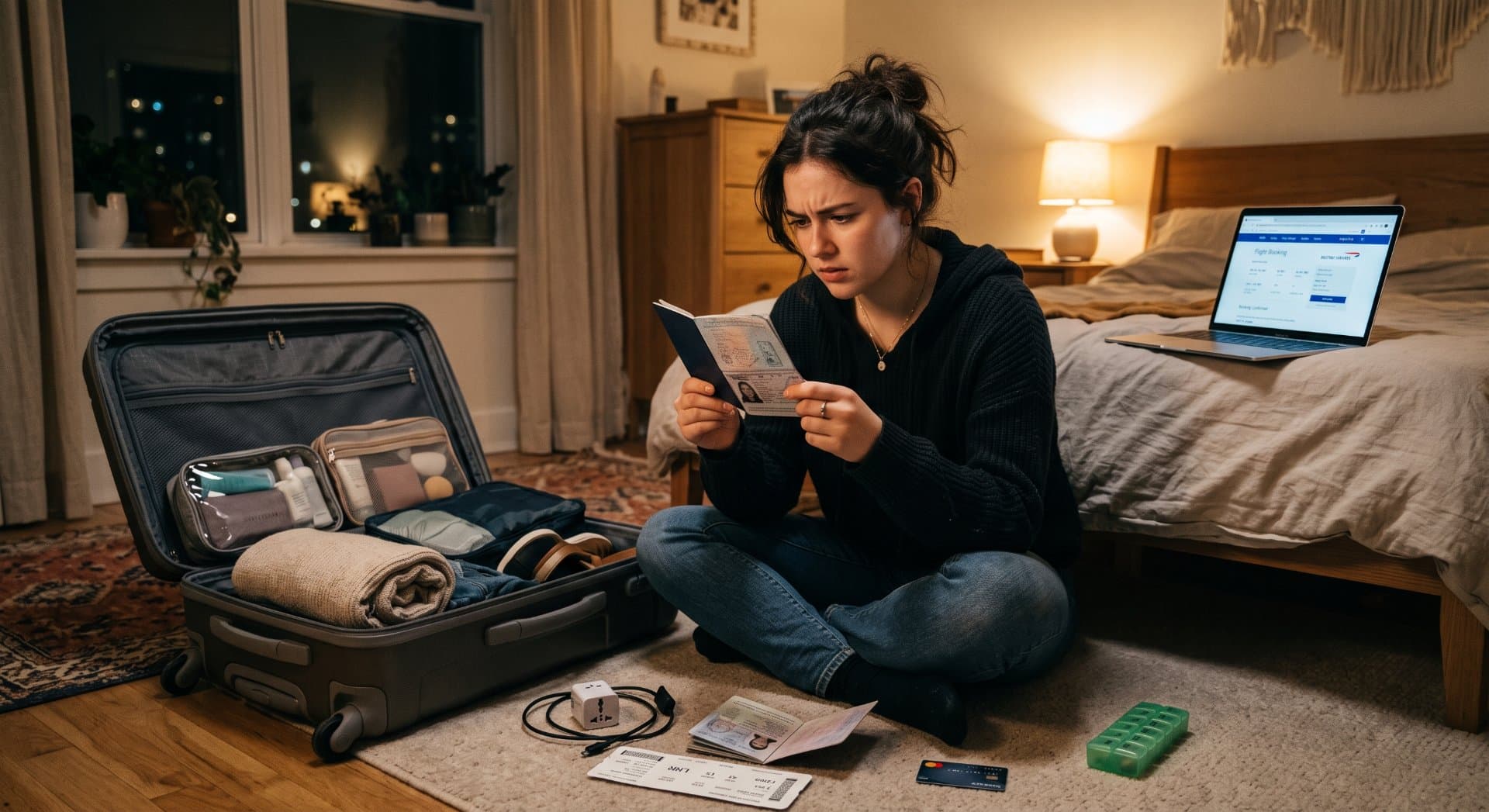
Most first-time travelers don't forget big things like clothes. They forget small things that stop the trip or make it stressful. Passport too close to expiry. Bank card blocked in another country. Phone with no data at the airport. Charger that don't fit the wall socket.
This article covers the things people forget most, why they become a problem and how to check each one before you leave.
1. Passport validity
This is the most common problem and it can stop you at the airport.
Many countries want your passport to be valid for some time after you arrive or leave. A common rule is six months, but it is not the same everywhere. Some countries only need three months of validity and a few have other requirements. Some countries need validity only for the days you stay.
What goes wrong: Your passport expires in four months. You think it is fine because the trip is only one week. The airline checks it at the counter and says you cannot board.
What to do:
Look at your passport expiry date today, not the week before travel.
Check the entry rules for your destination on the official government or embassy website of that country.
Check the rule for your own passport. The same country can have different rules for different passports.
If it is close, renew first. Renewal can take weeks.
Also ask: does the country need a visa or an online travel permission before you fly? Many first-time travelers only think about the passport and forget this.
2. New entry rules in Europe
If you are going to Europe, two systems are in the news and people mix them up.
EES (Entry/Exit System): This is fully working across Schengen countries since 10 April 2026. Non-EU travelers on short stays give biometric data at the border. In simple words, they take your face photo and fingerprints and record your entry and exit. Expect questions about your stay too. You do not need to do anything before you fly. Just plan a little extra time at the border, because the first registration can take time.
ETIAS (online travel permission): This is not working yet. You cannot apply for it at the moment. The official plan said late 2026, but news reports say it is now expected to be delayed until 2027. No date is confirmed, so check the official ETIAS website before you go.
Watch out for websites that sell "ETIAS applications" right now. The official site itself warns about commercial intermediaries. If you cannot apply on the official site, be careful.
Rules like these change often. Always check the official source close to your travel date.
3. Copies of your documents
People carry the passport and nothing else. If passport is lost or stolen, life is very hard without copies.
Take photos of your passport photo page, visa, tickets, insurance paper and hotel booking.
Save them offline on your phone. Also keep one copy in email or cloud storage.
Give one copy to a family member at home.
Keep a printed copy in your bag, in a different place from the passport.
4. Bank cards and money
What goes wrong: You use your card in another country for the first time. The bank sees a strange payment and blocks the card. You are in a foreign city with no money.
What to do:
Ask your bank if your card works abroad and what the foreign fees are. Some banks ask you to switch on international use in the app.
Tell the bank your travel dates if the bank has this option.
Carry a second card and keep it in a different place from the first one.
Take some cash for the first day, like taxi or food. Do not carry a lot.
Know your card PIN. Some places ask for it.
5. Phone data and roaming
You land in a new country and your phone has no internet. No map, no taxi app, no way to call the hotel.
Check these before you fly:
Ask your mobile company what roaming costs. Sometimes it is very expensive.
Think about a local SIM or an eSIM. Check first if your phone support eSIM and is not locked to one company.
Download offline maps of the city.
Save your hotel address and phone number as a screenshot, in the local language if possible.
Update your phone apps before you leave and log in to the ones you need (airline, bank, taxi). Some apps send a code to your home number and that can be a problem when you are abroad.
6. Power plug and charger
Different countries use different plug shapes. A charger that works at home may not fit the wall in another country.
Check the plug type used at your destination and buy a travel adapter before you go. Airport shops charge more.
Look at the small print on your charger. If it says something like 100–240V, it can handle different voltage. An adapter is enough then. If it says only one voltage, do not plug it in without a proper converter. Hair dryers and shavers are often the problem.
Take a power bank. Keep it in your carry-on bag, not the checked bag. Airlines do not allow lithium batteries in checked luggage.
7. Travel insurance and health
Many first-timers skip insurance because "nothing will happen." A medical problem in another country can cost a lot and the bill is yours.
Read what the insurance covers: medical, trip cancel, lost bags. Some countries need insurance for the visa.
If you take regular medicine, carry enough for the whole trip and some extra. Keep it in the original box in your hand luggage.
Check if your destination has rules about your medicine. Some medicines that are normal at home are controlled in other countries. Ask the embassy if not sure.
Ask a doctor or travel clinic if you need any vaccines for the destination.
This article is general information, not medical advice.
8. Booking details and airport rules
Keep tickets and hotel booking saved offline, not only in email.
Check the airline baggage limit for weight and size. Extra bag fee at the airport can be high.
Liquids in hand luggage usually have a limit. Check the airline and airport rules for your route.
Check if the hotel has a check-in time. If your flight lands at night, tell the hotel.
Some countries want proof of onward or return ticket. Check this before you fly.
Write down the address of your first stay. Immigration may ask.
9. Things to do at home before you leave
People are so busy with the trip that they forget the house.
Lock everything and give a spare key to someone you trust.
Tell one person your full plan, hotel names and flight details.
Switch off gas, unplug things you do not need and empty the fridge of food that will go bad.
Pay bills that are due while you are away.
Arrange someone for pets and plants.
Common mistakes
Checking the passport expiry only after booking the ticket.
Thinking one rule is the same for all countries.
Buying plane tickets before checking visa or permission rules.
Trusting unofficial websites that sell permission or visa papers.
Carrying only one card and only one copy of everything.
Packing too many clothes and forgetting the small important things.
What to check the day before
Passport, tickets and visa or permission, if needed
Cards, some cash and your PIN
Phone charged, offline maps downloaded, data plan or eSIM ready
Adapter and power bank in hand luggage
Medicine and insurance paper
Copies of documents, both offline and online
Someone at home knows your plan
When this list may not be enough
Some trips need more work: a long stay, study, work or travel with children or a country with strict entry rules. For these, talk to the embassy or consulate of the country or a licensed travel agent. Rules change, so what worked for a friend last year may not work for you now.
FAQs
How early should I check my passport before a trip?
As soon as you start planning, before you buy tickets. If it needs renewal, it can take weeks.
Do all countries need six months of passport validity?
No. Some need six months, some three months and some only for the days you stay. It also depends on your own passport, so check the official rules for the country you visit.
Do I need ETIAS now to go to Europe?
As of September 2026, no. It is not working yet and you cannot apply. EES border checks are already working, though. Check the official ETIAS site before you travel, in case the date changes.
Is it okay to use my home SIM abroad?
It works in many cases, but roaming can cost a lot. Ask your mobile company first and compare with a local SIM or eSIM.
What if my passport is lost while traveling?
Report it to the local police and contact your country's embassy or consulate. Your document copies will make this much easier.
Share this story with your network
Direct citation and sharing for this investigative report.

View Point Spot
Editor-in-Chief
View Point Spot is a place for ideas, stories, insights and different points of view. We share useful, interesting and easy-to-understand content across a wide range of topics, helping readers discover something new and see the world from a different perspective.
Related Coverage & Dispatches
More in Travel →
What to Check Before Booking a Hotel
A simple checklist for travelers who want to avoid hotel booking problems. It covers the real total price, location, recent reviews, cancellation rules, payment terms, room details and what to do after booking.
View Point Spot19 hours ago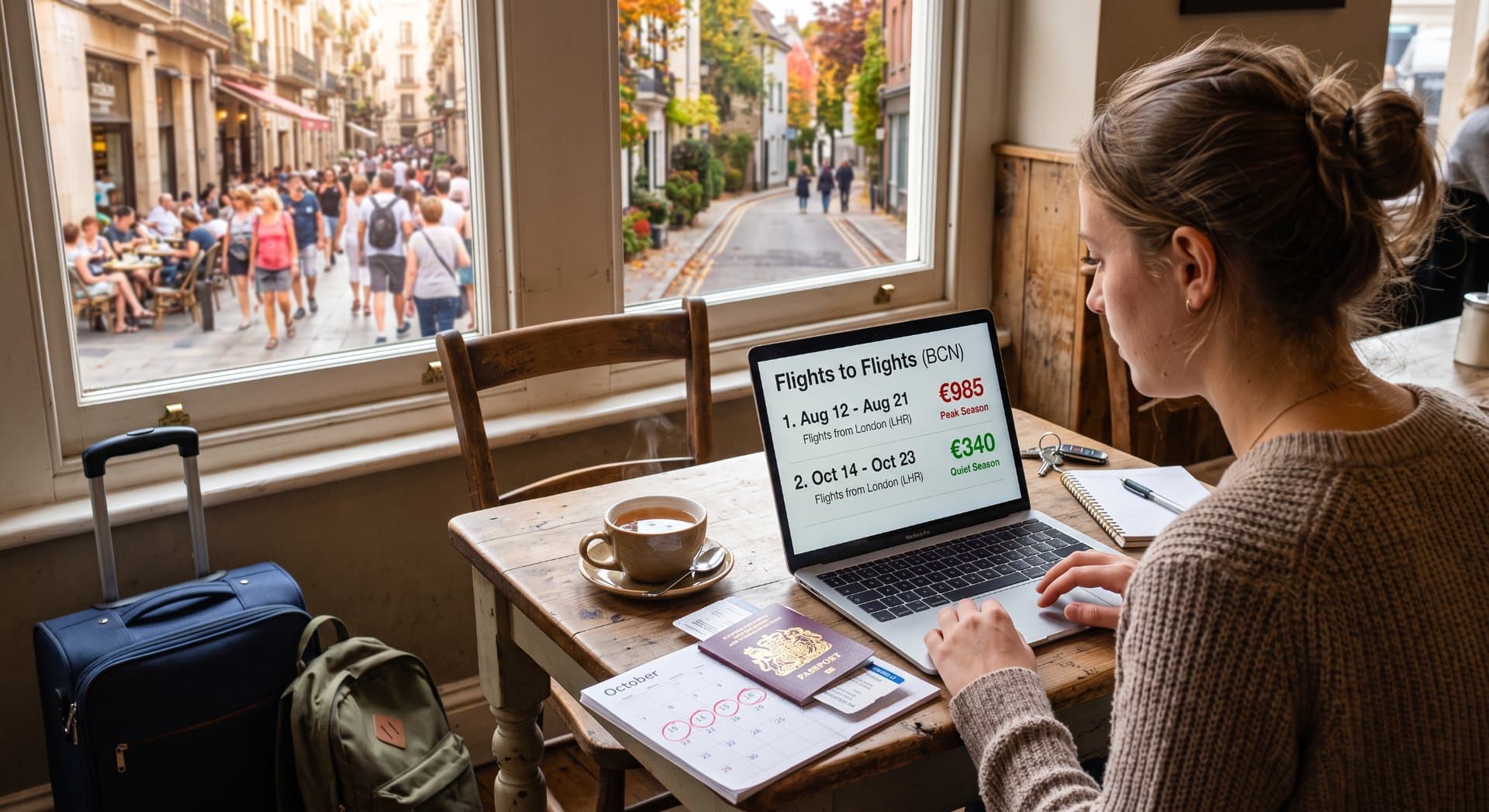
Why Travel Costs Change So Much During the Year
This article explains why flight and hotel prices go up and down during the year. It covers seasons, holidays, events, booking demand and the fuel problem in 2026. The reader learns how to choose better dates and what to check before booking.
View Point Spot19 hours ago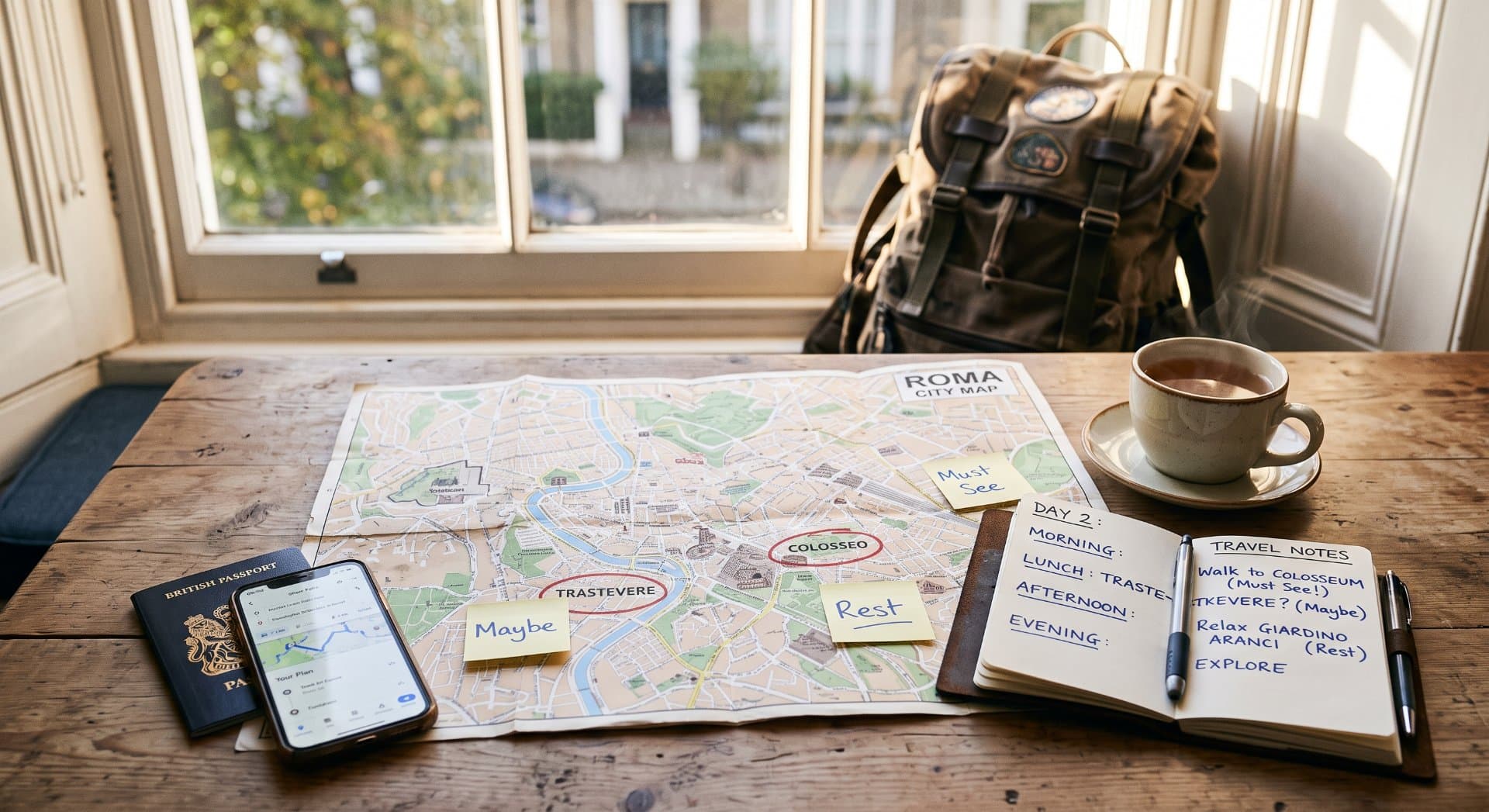
How to Plan a Trip Without Making the Schedule Too Busy
A simple guide for people who always put too many things in their travel plan. It explains why trips become tiring, what mistakes people make and how to build a lighter schedule with rest time, travel time and free time.
View Point Spot19 hours agoReader Discussion (0)
No comments yet. Be the first to start the discussion!