How AI Is Changing the Way Sports Fans Watch Games in 2026
AI is reshaping sports broadcasts in 2026 with personalized feeds, instant highlights and multi-language commentary. Here's what's actually changed.
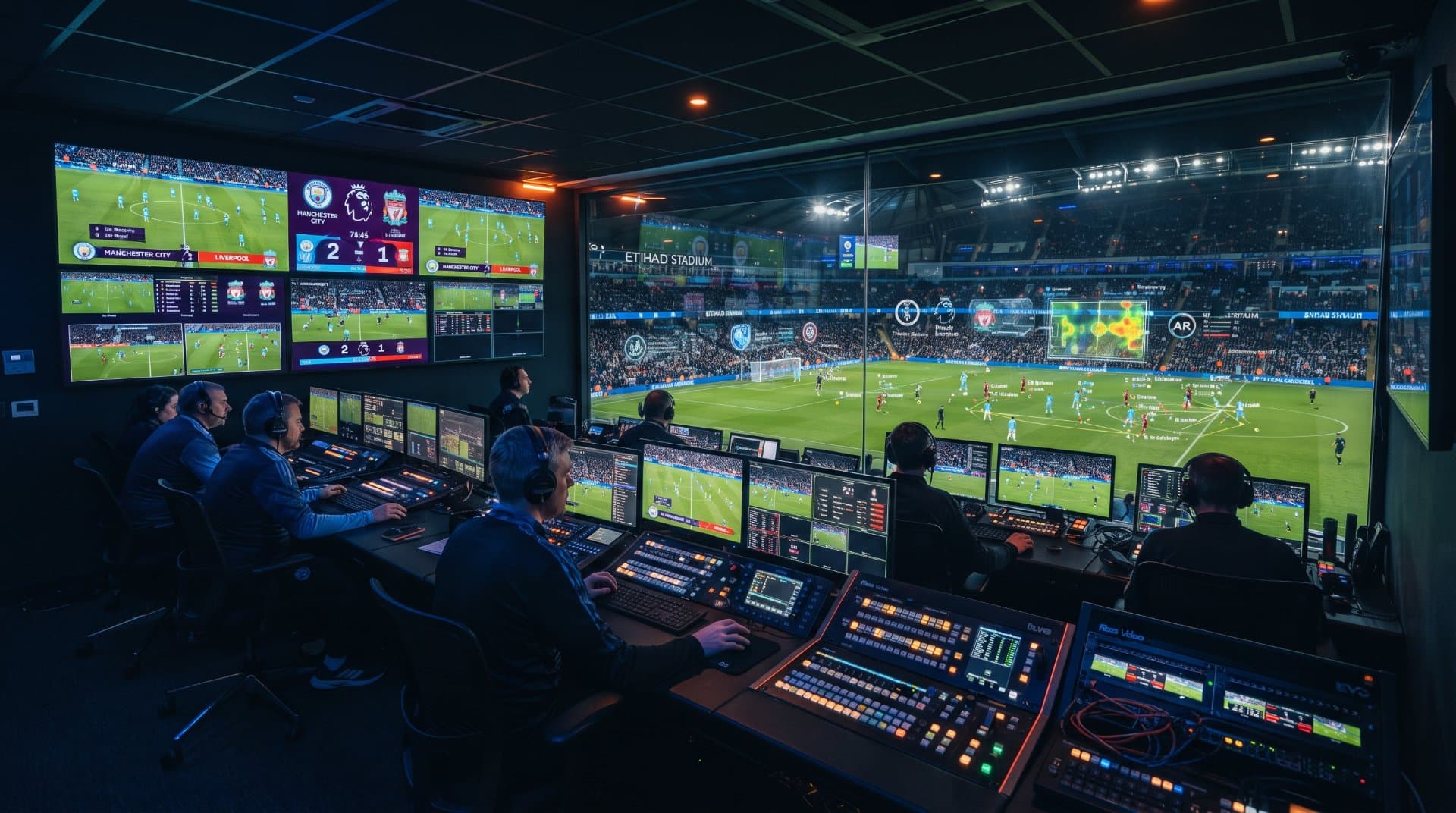
Watching a game today looks different from just a few years ago. The broadcast itself has changed. Highlights show up seconds after a big play instead of hours later. Some platforms let you pick your own camera angle or hear stats you actually care about. Most of this comes from AI working quietly behind the scenes, not from anything the fan has to set up.
Here's what's actually happening and what it means if you're the one watching from your couch.
Personalized Feeds Are Becoming Normal
For decades, everyone watching a game saw the same broadcast one main camera, one commentary team, one set of graphics. That's changing.
Apple's MLS Season Pass is a good example. Because Apple owns the streaming rights outright, with no regional cable partners to coordinate with, it can push new features to everyone at once. A personalized sports feed can deliver preferred stats overlays, commentary language and player alerts, adapting in real time without the viewer changing any settings.
Amazon has done something similar with Thursday Night Football. Its Prime Vision overlay adds Next Gen Stats, player tracking and live win-probability numbers that update after every play. It's an alternate way to watch the same game one built for fans who want the data alongside the action, not instead of it.
The idea driving all of this is simple: fans don't all want the same broadcast. A casual viewer might want basic score updates and highlights. A fantasy football player wants player-specific stats. A die-hard fan wants tactical breakdowns. AI makes it possible to serve all three from the same live event, without hiring three separate production teams.
Highlights Show Up Almost Instantly
A few years ago, a good highlight reel took an editor time to cut. Now, AI systems watch the game as it happens and flag the moments that matter a goal, a big tackle, a missed penalty often before a human editor even looks at the footage.
WSC Sports, one of the bigger companies in this space, works with leagues and broadcasters to automate that process. Its system doesn't rely on one signal alone. It cross-checks computer vision, crowd-noise spikes and live ball-tracking data and only cuts a clip when multiple signals agree something worth showing actually happened. In 2025, the platform generated around 16 million highlights across its partners roughly 49,000 pieces of content a day.
That scale matters for the 2026 FIFA World Cup in particular. With 48 countries and 104 matches spread across three countries and three time zones, there's simply more football happening than any broadcaster could clip by hand. AI-driven highlight tools are how leagues plan to keep up with that volume without falling behind on delivering clips to fans who missed the live game.
Commentary Is Starting to Adapt to the Listener
One of the more practical changes is happening in commentary. AI-generated commentary systems can now produce real-time play-by-play in multiple languages from the same live feed, without needing a separate human commentator booth for each one.
This matters more than it might sound. A smaller league or a regional match that would never have justified paying for commentary in five languages can now offer it, because the cost of adding another language is mostly computing power rather than hiring more people. It also helps cover gaps if a broadcaster is short on commentators for a smaller game, an AI system can fill in rather than leaving fans with no commentary at all.
Some systems go further and adjust the level of detail based on who's likely watching simpler explanations for a casual audience, deeper tactical language for viewers who already know the sport well. This is still an emerging feature, not something every broadcast offers yet, but it's the direction things are heading.
Camera Work and Production Are Getting More Automated
Live sports production used to require a large crew: multiple camera operators, a director calling shots in real time and editors standing by. AI is starting to take over parts of that job.
Some newer systems can make real-time decisions about which camera angle to show, based on where the ball is, where the crowd's attention is and what's likely to be the most interesting shot at that moment. This doesn't mean human directors are gone most of these systems work alongside a production team rather than replacing it entirely but it does mean smaller broadcasts and leagues with limited budgets can produce something that looks closer to a major network broadcast.
The 2026 World Cup is being used as a showcase for a lot of this. Broadcasters covering the tournament are expected to use automated match analytics, real-time data overlays and 3D match recreations to explain tactics and key moments, on top of the personalized highlight packages mentioned earlier.
What This Means If You're Just Trying to Watch a Game
For most fans, none of this requires learning anything new. The AI work happens on the production and platform side. What you'll actually notice is:
Highlights of your team's game showing up in an app minutes after it happens, instead of the next morning
The option to watch an alternate stats-heavy feed on some platforms, if you want it
Commentary available in your preferred language on some international broadcasts, even for smaller matches
Broadcasts that feel a bit more tailored showing the stats or storylines relevant to the players or teams you follow
None of this replaces watching the actual game. It's built around it.
Where This Still Falls Short
It's worth being honest about the limits, too.
Not every league or broadcaster has this yet. Big platforms with deep pockets Apple, Amazon, major World Cup broadcasters are the ones rolling this out first. Smaller leagues and regional broadcasts are catching up slowly and some of this technology is still too expensive for them.
Personalization isn't the same as accuracy. AI-generated commentary and stats overlays are only as good as the data feeding them. Mistakes happen, especially with fast, chaotic sports where tracking the ball or players is genuinely hard.
Streaming fragmentation is still a real problem. AI can personalize a broadcast, but it can't fix the fact that fans now often need several different subscriptions to follow all their favorite teams and leagues. That's a business decision, not a technology one and AI features on any single platform won't solve it.
Human commentary and production aren't going away. Most of what's live right now works alongside human broadcasters and editors, not instead of them. The idea of a fully AI-run broadcast with no human oversight isn't standard practice yet.
What to Watch For Next
If you follow a major league or you're planning to watch the 2026 World Cup, a few things are worth keeping an eye on:
Whether your streaming platform offers an alternate stats or camera-angle feed and whether it's worth switching to
Multi-language commentary options on international broadcasts, especially for smaller matches that wouldn't normally get full commentary coverage
How fast highlight clips show up after a game this keeps getting faster as more leagues adopt automated highlight tools
The broadcast itself is changing more than the game is. For fans, that mostly means more choice in how you watch, not a completely different way of watching.
Frequently Asked Questions
Does AI replace human sports commentators?
Not currently, in most cases. AI commentary is mostly used to fill gaps extra languages, smaller matches or situations where human commentators aren't available rather than replacing the main broadcast team.
Will AI-personalized broadcasts cost extra?
It depends on the platform. Some personalization, like alternate stat overlays, is included with an existing subscription (Amazon's Prime Vision, for example). Others may be tied to premium tiers. Check your specific streaming service for details.
Is the 2026 World Cup the first major event to use this kind of AI broadcasting?
No. Leagues like MLS, the USL and various soccer broadcasters have used AI tools for highlights and personalization for several years. The 2026 World Cup is notable for the scale more matches, more countries, more time zones which is pushing broadcasters to lean on AI more heavily than before.
Do I need to do anything to get a personalized AI broadcast?
Usually not. Most personalization happens automatically based on your account, viewing history or platform settings, rather than requiring manual setup.
Share this story with your network
Direct citation and sharing for this investigative report.

Emma Claire
Staff Writer
Hello and welcome! I am Emma Claire, the wanderer and lens behind viewpointspot.com. My greatest passion is seeking out breathtaking viewpoints, secret scenic lookouts, premier travel photography spots, and thrilling outdoor sports vistas across the globe. I believe every landscape from tranquil mountain peaks to high-energy athletic arenas framed by nature tells a story waiting to be framed. Through this platform, my mission is to guide fellow travelers and sports enthusiasts directly to those jaw-dropping panoramas with actionable, practical tips. Whether you are chasing golden hour light or capturing action-packed moments, I am thrilled to help you see the world from a stunning new angle.
Related Coverage & Dispatches
More in Sports →
Why Younger Fans Are Changing the Way People Follow Sports
Younger fans watch sports differently. Here's how highlights, social media and athlete-first fandom are reshaping the sports world.
Emma Claire7 hours ago
Why Sports Streaming Is Becoming More Important for Live Games
Live sports are moving to streaming platforms fast. Here's why it's happening, what it means for fans and what to expect from live game streaming next.
Emma Claire7 hours ago
How Pop Culture Is Bringing New Fans to Sports
Docuseries, celebrities and social media are turning casual viewers into sports fans. Here's how pop culture is reshaping fandom today.
Emma Claire7 hours agoReader Discussion (0)
No comments yet. Be the first to start the discussion!