How Pop Culture Is Bringing New Fans to Sports
Docuseries, celebrities and social media are turning casual viewers into sports fans. Here's how pop culture is reshaping fandom today.
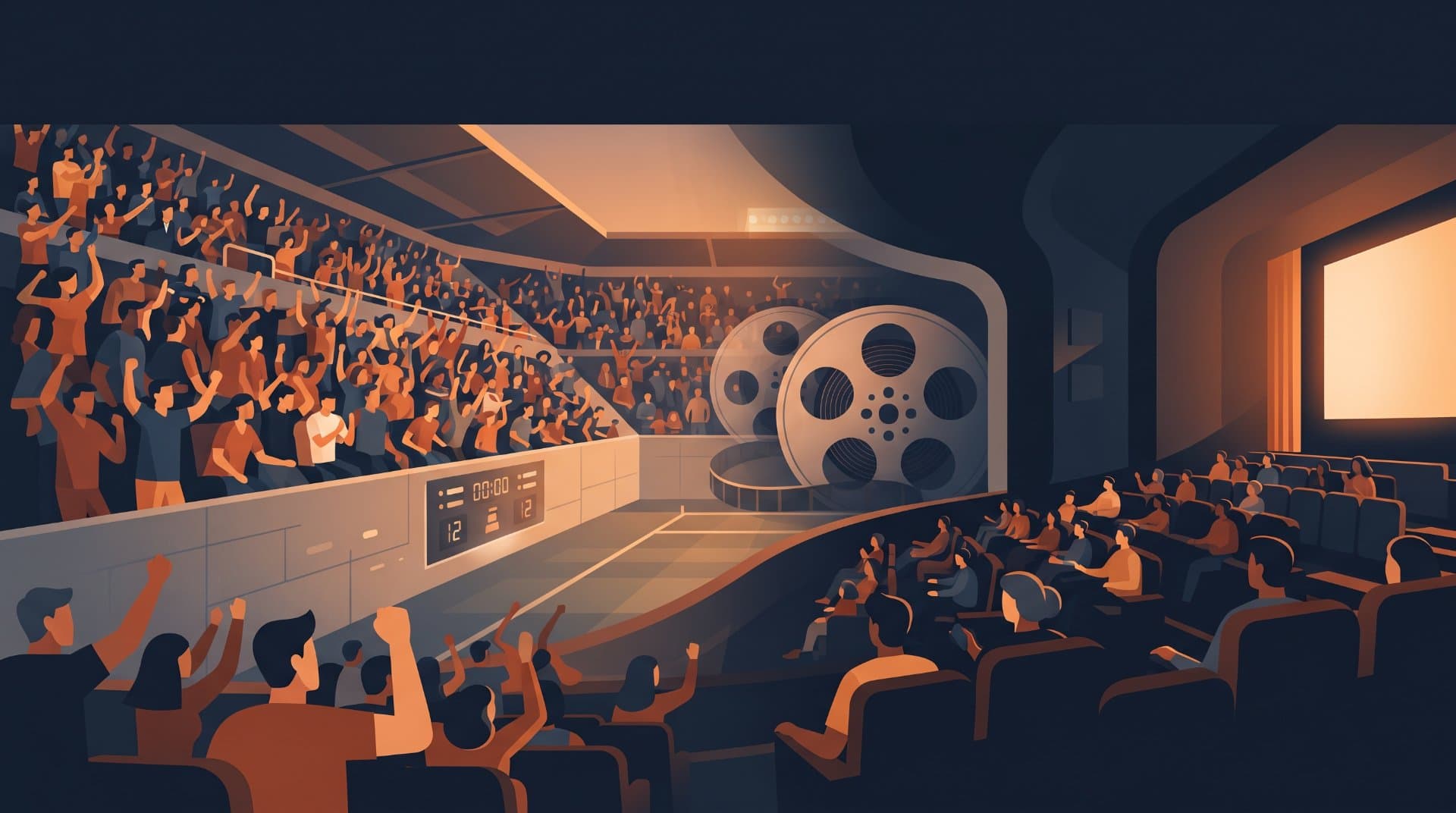
A few years ago, someone who had never watched a Formula 1 race could still tell you who Max Verstappen was. Someone who didn't follow English football could name a small Welsh club called Wrexham. That shift didn't happen because of better game broadcasts. It happened because of pop culture.
Streaming shows, celebrity team owners, viral clips and social media personalities are now doing something traditional sports broadcasting struggled to do for decades: pulling in people who never thought of themselves as sports fans. This article looks at how that's happening, which examples show it working and where the effect is more limited than the headlines suggest.
Docuseries Are Turning Viewers Into Fans
The clearest example is Netflix's "Drive to Survive." The show follows Formula 1 teams behind the scenes, focusing on rivalries and personal drama rather than lap times. It worked because it gave people a reason to care about drivers as people, not just as competitors.
Survey data backs this up. In one Morning Consult poll, 44% of viewers said they looked up more information about F1 after watching the series and 42% said they started watching races. A separate Nielsen-based study found that viewers aged 16 to 35 made up 77% of F1's audience growth in 2020, a period that lines up with the show's early seasons.
But the picture isn't entirely one-directional. More recent tracking suggests the "Drive to Survive" boost has slowed, with the share of new fans crediting the show as a major reason for their interest dropping from 30% in 2022 to 22% in 2023. Some analysts also point out that a large share of self-described F1 "fans" don't actually watch full races on TV, since ESPN's US broadcasts averaged around 1.1 million viewers per race in 2023, fewer than IndyCar. So the honest takeaway is this: the show brought in a wave of new interest, but turning that interest into regular viewers has been slower and harder than the sport hoped for.
Formula 1 isn't the only sport this worked for. Documentary-style shows about tennis, cycling and golf have followed the same formula since, betting that personal stories draw in people who don't care about the sport's rules yet.
Celebrity Ownership Changes Who Pays Attention
When actors Ryan Reynolds and Rob McElhenney bought Wrexham AFC, a Welsh football club playing in England's fifth tier, most people outside the UK had never heard of it. That changed once FX's "Welcome to Wrexham" documentary followed their ownership.
The numbers show a real shift in attention. The team's official social account grew from about 79,589 followers in February 2021 to 367,665 later. A regular-season FA Cup match drew 139,000 viewers on ESPN2, making it the fourth-most watched soccer match on the ESPN app that week ahead of several established European league games. Home attendance later reached a season-high of 12,233 fans, a notable number for a club still playing in England's fourth tier.
This matters because it shows something specific: fame doesn't need to come from winning. It can come from relatable people telling an honest story about a struggling team. Viewers who never cared about lower-division English football started caring about Wrexham's promotion campaign the way they'd follow a TV drama, because in a real sense, it was one.
A Single Star Can Grow an Entire League
Sometimes the pop culture effect isn't a show or a celebrity owner. It's one player who becomes a cultural figure in their own right. Caitlin Clark is the clearest recent example in US sports.
Her college career already broke records the 2024 NCAA women's basketball title game she played in drew 18.9 million viewers, the most-watched basketball game since 2019 and the first women's title game to outdraw the men's. That interest didn't stay in college basketball. Once she joined the WNBA, the effect showed up across the league.
The WNBA drew more than 54 million unique viewers across networks in the 2024 season, an all-time record, while attendance hit its highest level in 22 years and grew almost 50% from 2023. There were 154 sellout games that year, more than triple the 45 sellouts in 2023. Attendance specifically tied to Clark was even more striking: WNBA games averaged 15,591 fans when she played, compared to 7,645 when she didn't, a 105% jump.
This kind of growth doesn't stay confined to box scores. It shows up in merchandise sales, social media follows and casual conversation people who don't normally discuss basketball still know who Caitlin Clark is, the same way people who don't follow tennis still know who Serena Williams is. A single athlete, covered widely in pop culture, can act like a doorway into an entire sport.
Why This Actually Works
A few things make pop culture effective at pulling in new fans in ways sports broadcasts alone often can't:
It leads with people, not stats. Traditional sports coverage assumes you already care about the standings. Pop culture content assumes you don't and starts with personalities and rivalries instead.
It lowers the barrier to entry. You don't need to understand F1's points system to enjoy watching two drivers argue in a paddock. The rules can come later.
It travels outside the usual audience. A Netflix show or a celebrity owner reaches people scrolling for entertainment, not people already searching for sports news.
Social media extends the reach. Short clips and highlights from these stories get shared far beyond the platform they started on, often by people who aren't sports accounts at all.
Where the Effect Has Limits
It's worth being honest about the gap between attention and real fandom. Watching a docuseries is not the same as becoming a season-ticket holder and social media buzz doesn't always convert into TV ratings. The F1 example shows this clearly a large jump in casual interest didn't fully translate into a matching jump in people watching full races.
This doesn't mean the pop culture effect isn't real. It means it works best as an entry point, not a finish line. Leagues and teams that follow up with accessible content, easy ways to watch and continued storytelling tend to keep more of the new fans they attract. The ones that rely on the initial buzz alone tend to see interest fade once the show ends its run.
What This Means for Fans and Leagues
If you're a newer fan who found a sport through a show or a viral clip, that's a normal way in now it's not a lesser way to become a fan. And if you're involved in growing a sport's audience, the lesson from these examples is fairly consistent: tell human stories first, make it easy for new viewers to actually watch once they're interested and don't assume the audience already knows the rules.
Pop culture didn't replace traditional sports fandom. It opened a second door into it and a growing number of fans are walking through that one first.
FAQ
Does watching a sports documentary count as being a fan?
There's no official rule, but most people in the industry treat it as an early stage of fandom rather than full fandom. Following up by watching actual games is usually what determines whether that interest sticks.
Which sport has benefited the most from this trend?
Formula 1 and women's basketball are the most documented examples in recent years, largely because both have clear before-and-after data from documentaries and individual athletes.
Does this only work for niche or struggling sports?
No. It has worked for sports with existing large audiences too, such as tennis and golf, by introducing them to viewers outside their usual fan base.
Share this story with your network
Direct citation and sharing for this investigative report.

Emma Claire
Staff Writer
Hello and welcome! I am Emma Claire, the wanderer and lens behind viewpointspot.com. My greatest passion is seeking out breathtaking viewpoints, secret scenic lookouts, premier travel photography spots, and thrilling outdoor sports vistas across the globe. I believe every landscape from tranquil mountain peaks to high-energy athletic arenas framed by nature tells a story waiting to be framed. Through this platform, my mission is to guide fellow travelers and sports enthusiasts directly to those jaw-dropping panoramas with actionable, practical tips. Whether you are chasing golden hour light or capturing action-packed moments, I am thrilled to help you see the world from a stunning new angle.
Related Coverage & Dispatches
More in Sports →
How AI Is Changing the Way Sports Fans Watch Games in 2026
AI is reshaping sports broadcasts in 2026 with personalized feeds, instant highlights and multi-language commentary. Here's what's actually changed.
Emma Claire7 hours ago
Why Younger Fans Are Changing the Way People Follow Sports
Younger fans watch sports differently. Here's how highlights, social media and athlete-first fandom are reshaping the sports world.
Emma Claire7 hours ago
Why Sports Streaming Is Becoming More Important for Live Games
Live sports are moving to streaming platforms fast. Here's why it's happening, what it means for fans and what to expect from live game streaming next.
Emma Claire7 hours agoReader Discussion (0)
No comments yet. Be the first to start the discussion!