Why Younger Fans Are Changing the Way People Follow Sports
Younger fans watch sports differently. Here's how highlights, social media and athlete-first fandom are reshaping the sports world.
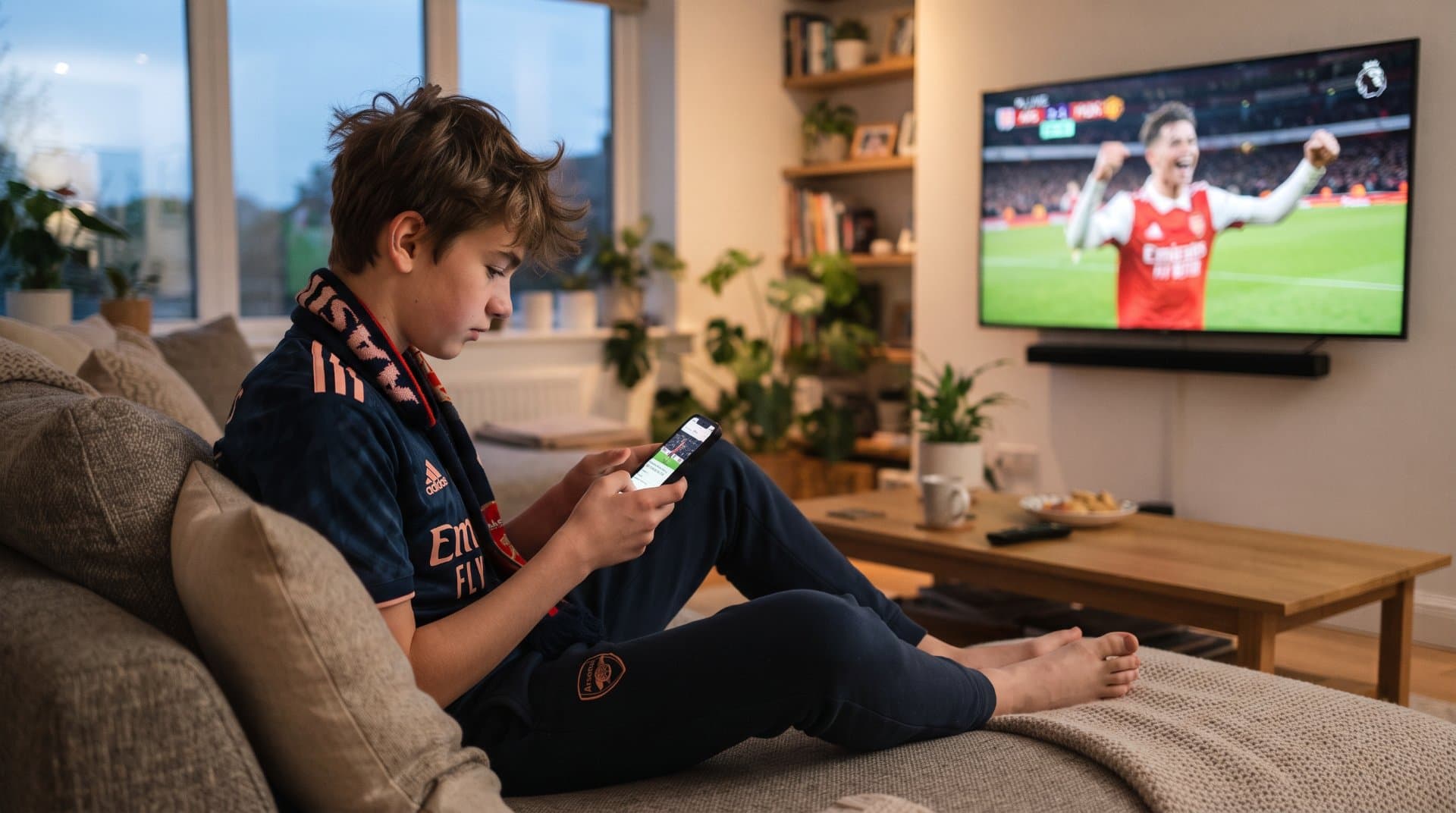
Sports fandom used to follow a simple pattern. You picked a team, watched the games on TV and stayed loyal for life. That pattern is breaking down. Younger fans, especially Gen Z, are following sports in ways that look very different from their parents' habits and sports leagues, broadcasters and brands are all trying to keep up.
This shift is not about young people losing interest in sports. It's about how they engage with it.
They Follow Athletes Before They Follow Teams
For a lot of younger fans, the athlete comes first and the team comes second. A study by Deloitte found that a majority of Gen Z fans follow at least one athlete online and nearly half of Gen Z fans said following an athlete led them to watch a live sporting event from home, while about a third said it led them to attend a game in person.
This is a different kind of loyalty. It's built around a person, not a franchise. When that athlete gets traded, retires or simply posts less, some of that fan interest can fade with them. Teams and leagues now have to think about how to keep fans engaged even when their favorite player moves on.
Full Games Are Losing Ground to Highlights
One of the clearest changes is how much of a game younger fans actually watch. Older generations tend to sit through an entire match from start to finish. Younger fans often don't.
Gen Z prefers watching sports highlights about 23% more than other age groups and many only watch a full match "often" or "sometimes" rather than every time. A separate survey found that only 58% of Gen Z respondents watch sports live from beginning to end, with younger viewers instead favoring highlights and catch-up clips to stay current.
This isn't laziness. It's a preference shaped by years of short-form video. If the important moment of a three-hour game can be summed up in a 30-second clip, many younger fans would rather watch that clip and move on with their day.
Social Media Is the New Sports Channel
For most young fans, sports content doesn't start with a TV broadcast. It starts with a phone.
More than 90% of Gen Z fans use social media to consume sports content, including game clips, highlights, live events, athlete interviews and posts from athletes themselves. Platforms like Instagram, YouTube and TikTok have become the main way many young fans keep up with sports and Snapchat and Twitch have also carved out a place in this space.
This matters because it changes who controls the sports conversation. It's no longer just broadcasters and commentators. Athletes, creators and fans themselves now shape how a game or a moment gets talked about.
Watching Sports Is Rarely a Single-Screen Activity
Ask a younger fan what they were doing while watching the big game and the answer is often "a few things at once." Checking stats, texting friends, scrolling social media or even watching a second game are common habits.
About 77% of all sports fans say they take part in at least one other activity while watching a game at home, whether that's checking player stats, using social media, playing fantasy sports or watching another game on a different device. This kind of multitasking is more common among younger viewers, who grew up doing everything with a screen in hand.
For leagues and broadcasters, this means the game itself is competing with other content, even during the broadcast.
Fandom Is Becoming Less About "Die-Hard" Loyalty
Traditional sports fandom often celebrated the die-hard fan: the person who watches every game, knows every stat and never misses a season. Younger fans are redefining what counts as being a fan at all.
Only about 26% of Gen Z sports viewers identify as "die-hard" fans who regularly watch full games, while nearly half fall somewhere between casual and die-hard, engaging mainly through athletes, highlights and major moments. Interestingly, 78% of Gen Z sports viewers say they have attended or would attend, a major sporting event mainly for what surrounds it, such as concerts, fan festivals or celebrity appearances, rather than the sport itself.
This doesn't mean younger fans care less. It means the reasons they show up have expanded. The game is one part of the experience, not the whole point.
They Still Value Watching Live, Just Not Exclusively on TV
It's worth being fair here: younger fans haven't given up on watching sports live. Among people who watch live sports, only about 35% of Millennials and Gen Z most commonly watch through a TV broadcast, compared to 77% of Boomers, with 65% of Gen Z relying mainly on their smartphones for sports coverage instead.
So the appetite for live sports hasn't disappeared. What's changed is the screen it happens on and how much of the surrounding experience (chat, reactions, second-screen content) is part of watching.
Why This Shift Matters
For sports organizations, broadcasters and brands, this isn't a small trend to wait out. It reflects how an entire generation processes media, not just sports. A few practical implications:
Short-form content is no longer optional. If highlights and clips are how a large share of fans stay engaged, leagues that don't produce them well are giving up attention to people who will.
Athletes are now media platforms. A player with a large following can drive more attention to a game than a traditional ad campaign.
Live events need a reason beyond the game. Concerts, fan zones and other experiences around a match can matter as much as the result.
Second-screen habits are permanent, not temporary. Fans checking their phones during a game isn't a distraction to fight. It's part of how the game is watched now.
What Older Fans Might Not Understand
One thing that often gets missed in this conversation: younger fans aren't rejecting sports fandom, they're rejecting a single, rigid version of it. A fan who watches only highlights, follows three athletes across different sports and shows up to games mainly for the atmosphere is still a fan. They're just a different kind than the model most sports media was originally built around.
This is also why some leagues that adapted early, by investing in short clips, athlete access and social content, have managed to build strong engagement with younger audiences, while others that stuck to traditional broadcast-only strategies have struggled to hold their attention.
A Few Things Worth Watching Going Forward
Whether leagues can keep younger fans engaged once an athlete they follow retires or moves teams.
How betting and fantasy sports, which are already popular with younger fans, continue to blend into the viewing experience.
Whether traditional TV broadcasts adjust further to compete with mobile-first, clip-based consumption.
The Bottom Line
Younger fans aren't watching less sport. They're watching it differently, in shorter bursts, across more platforms and often centered on people rather than teams. For anyone trying to understand where sports fandom is headed, the smart move is to pay attention to how younger fans already behave, because that behavior is quickly becoming the norm rather than the exception.
Share this story with your network
Direct citation and sharing for this investigative report.

Emma Claire
Staff Writer
Hello and welcome! I am Emma Claire, the wanderer and lens behind viewpointspot.com. My greatest passion is seeking out breathtaking viewpoints, secret scenic lookouts, premier travel photography spots, and thrilling outdoor sports vistas across the globe. I believe every landscape from tranquil mountain peaks to high-energy athletic arenas framed by nature tells a story waiting to be framed. Through this platform, my mission is to guide fellow travelers and sports enthusiasts directly to those jaw-dropping panoramas with actionable, practical tips. Whether you are chasing golden hour light or capturing action-packed moments, I am thrilled to help you see the world from a stunning new angle.
Related Coverage & Dispatches
More in Sports →
How AI Is Changing the Way Sports Fans Watch Games in 2026
AI is reshaping sports broadcasts in 2026 with personalized feeds, instant highlights and multi-language commentary. Here's what's actually changed.
Emma Claire7 hours ago
Why Sports Streaming Is Becoming More Important for Live Games
Live sports are moving to streaming platforms fast. Here's why it's happening, what it means for fans and what to expect from live game streaming next.
Emma Claire7 hours ago
How Pop Culture Is Bringing New Fans to Sports
Docuseries, celebrities and social media are turning casual viewers into sports fans. Here's how pop culture is reshaping fandom today.
Emma Claire7 hours agoReader Discussion (0)
No comments yet. Be the first to start the discussion!