Why Sports Streaming Is Becoming More Important for Live Games
Live sports are moving to streaming platforms fast. Here's why it's happening, what it means for fans and what to expect from live game streaming next.
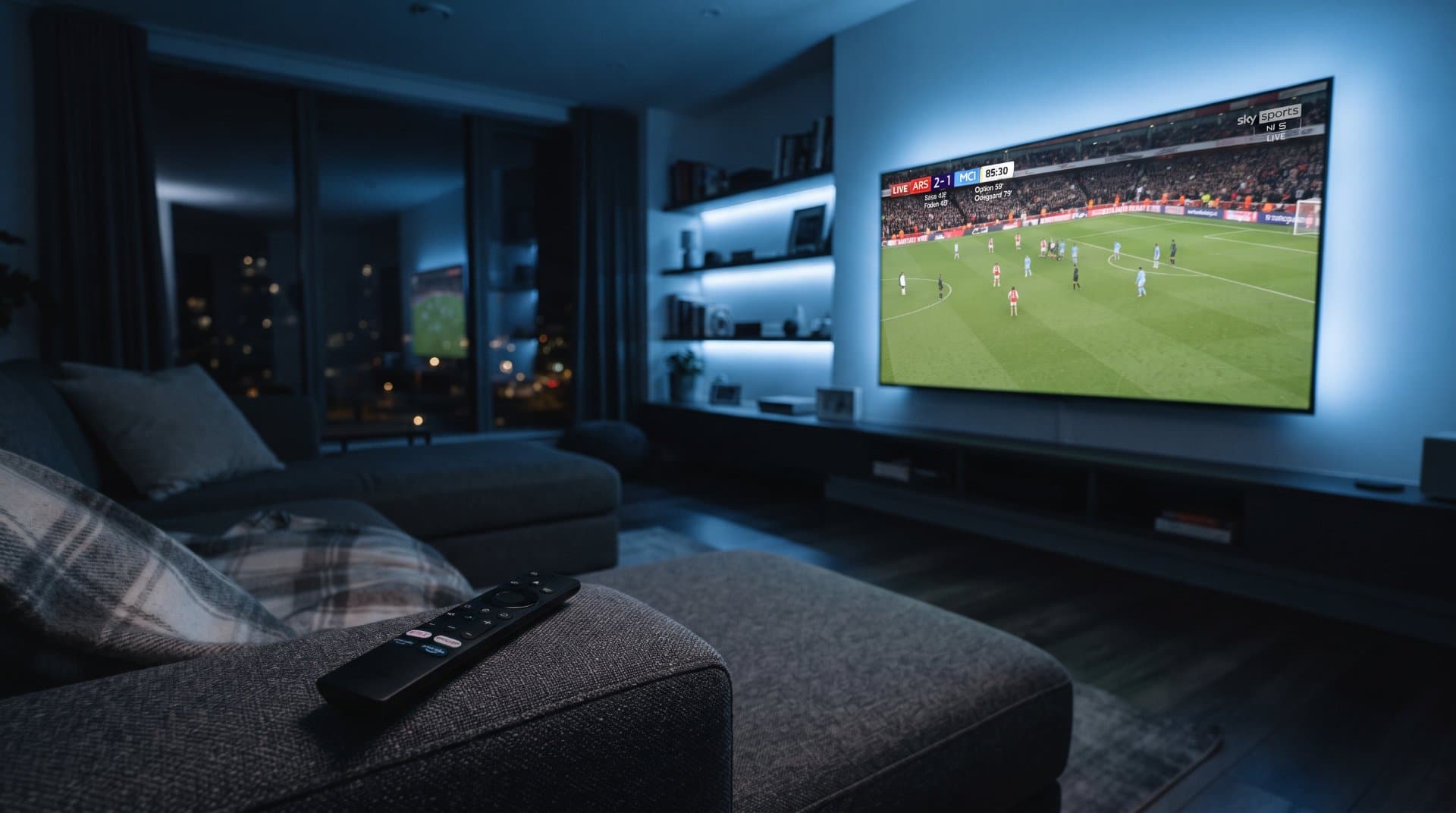
Not long ago, watching a big game meant one thing: turning on cable at the right time and hoping the channel wasn't blacked out. That's changing. More leagues, teams and media companies are putting live games on streaming platforms and more fans are choosing to watch that way. This isn't a small trend. It's a shift in how live sports actually reach people.
Here's why it's happening and what it means if you follow sports.
Streaming Now Rivals Traditional TV for Live Games
A few years ago, streaming was mostly for on-demand shows and movies. Live sports stayed on cable and broadcast networks because streaming technology wasn't fast or reliable enough for real-time events. That gap has closed.
A 2025 survey found that 69% of people watch at least some live games on streaming platforms, which is now close to how many watch on broadcast TV (66%) or cable (63%). That's a meaningful change. Streaming isn't a backup option anymore. For many fans, it's simply one of the normal ways to watch a game.
The growth is continuing. Digital live sports audiences are expected to grow 5.8% in 2026, while overall live sports viewership across all formats is expected to grow just 0.4%. In other words, nearly all the growth in sports viewership right now is happening on streaming, not on traditional TV.
Why Leagues and Networks Are Moving Games to Streaming
There are a few practical reasons behind this shift.
Streaming reaches more people, especially younger viewers. Many younger fans have never had a cable subscription. If a league wants to reach them, a streaming app is often the only realistic way to do it.
Streaming ads perform well. Ads shown during streaming-exclusive NFL games have been about 66% more effective than the average cable or broadcast ad. That gives networks a financial reason to keep investing in streaming, not just a technical one.
Media companies are competing hard for sports rights. Sports programming on the top five streaming platforms grew 52% year-over-year in the first quarter of 2026, with Amazon currently holding the largest share of streaming sports content, followed by Netflix and Disney+. When multiple large companies compete for the same rights, more games end up split across streaming apps instead of staying on one cable package.
Streaming now has real scale. Streaming captured 47.5% of total television viewership in December 2025, the largest share it has ever recorded. That's not a niche audience anymore. It's close to half of all TV watching.
What This Means for Fans
The upside is more choice. You're no longer limited to whatever your local cable package includes. Standalone services like NBA League Pass or ESPN's streaming app let fans follow specific leagues, teams or even international competitions that used to be hard to find on cable at all.
The downside is that rights are more scattered than before. A single sport's season might now be split across two or three different apps depending on the week. This is a genuine trade-off and it's worth being clear about it instead of pretending streaming solves everything.
There's also a shift in how younger fans watch. 47% of Gen Z viewers say they prefer watching highlights over full games. That's changing what "watching sports" even means for a growing part of the audience shorter clips and real-time updates alongside or instead of, the full broadcast.
Traditional TV Still Matters, For Now
It's worth being honest here: cable and broadcast TV haven't disappeared and live sports is one of the main reasons why. Big, marquee games still draw huge audiences on traditional TV and for many older viewers or households without fast internet, cable remains the simpler option.
What's changing is the balance, not a complete switch. Streaming is taking a growing share of a market that traditional TV used to control almost entirely and that shift is expected to continue rather than reverse.
What to Expect Going Forward
A few patterns are likely to continue:
More streaming-exclusive games, especially as multi-year rights deals get renewed
Better streaming quality, since platforms are investing heavily in reducing lag and buffering during live events, something fans notice immediately during fast-moving games
More bundling, as some services combine sports with general entertainment content to justify the subscription price
Continued price sensitivity, since juggling several sports subscriptions can end up costing more than a single cable package did
If you're deciding how to watch sports going forward, it helps to check which platform actually holds the rights to the games or leagues you care about before subscribing to anything. Rights change from season to season, so what worked last year may not apply this year.
Frequently Asked Questions
Is sports streaming replacing cable completely?
Not yet. Traditional TV still carries a large share of live sports viewing, especially for major broadcast events. Streaming is growing quickly, but it's a shift in balance, not a full replacement.
Why do some games only show up on one streaming app?
Leagues sell broadcasting rights separately, often to different companies for different competitions or even different games within the same season. That's why one league's games might be split across two or three apps.
Does streaming sports cost more than cable?
It depends on how many services you need. One or two sports apps can be cheaper than cable. But if you need several apps to follow different leagues, the combined cost can end up similar to or higher than, a cable package.
What Fans Should Take Away
Sports streaming is growing because it works for both sides: leagues get better ad performance and wider reach and fans get more direct access to the specific sports they follow. It hasn't fully replaced traditional TV and probably won't for a while. But if you're trying to figure out where to watch your favorite team next season, checking streaming options first is no longer optional it's usually the right place to start.
Share this story with your network
Direct citation and sharing for this investigative report.

Emma Claire
Staff Writer
Hello and welcome! I am Emma Claire, the wanderer and lens behind viewpointspot.com. My greatest passion is seeking out breathtaking viewpoints, secret scenic lookouts, premier travel photography spots, and thrilling outdoor sports vistas across the globe. I believe every landscape from tranquil mountain peaks to high-energy athletic arenas framed by nature tells a story waiting to be framed. Through this platform, my mission is to guide fellow travelers and sports enthusiasts directly to those jaw-dropping panoramas with actionable, practical tips. Whether you are chasing golden hour light or capturing action-packed moments, I am thrilled to help you see the world from a stunning new angle.
Related Coverage & Dispatches
More in Sports →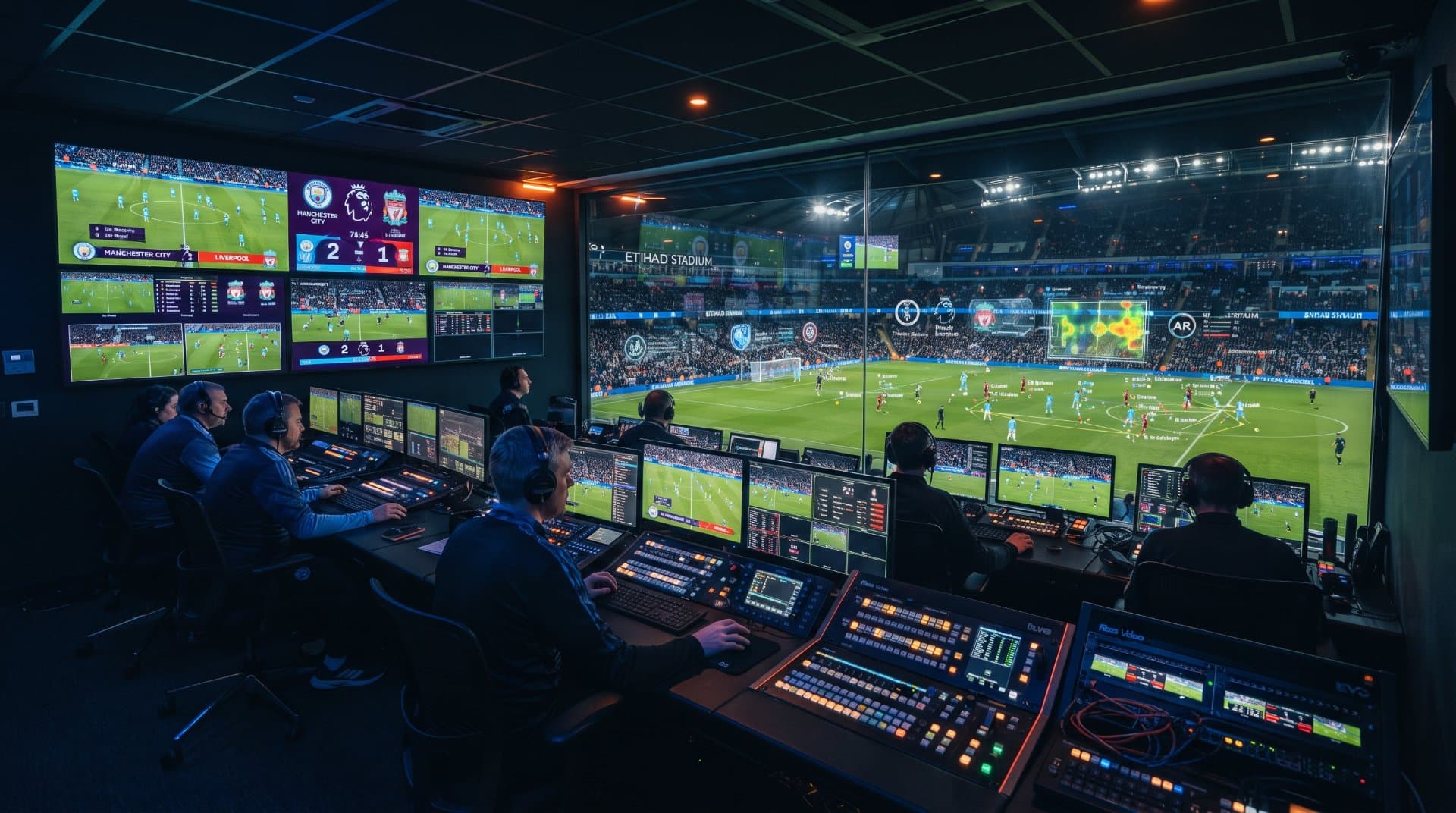
How AI Is Changing the Way Sports Fans Watch Games in 2026
AI is reshaping sports broadcasts in 2026 with personalized feeds, instant highlights and multi-language commentary. Here's what's actually changed.
Emma Claire7 hours ago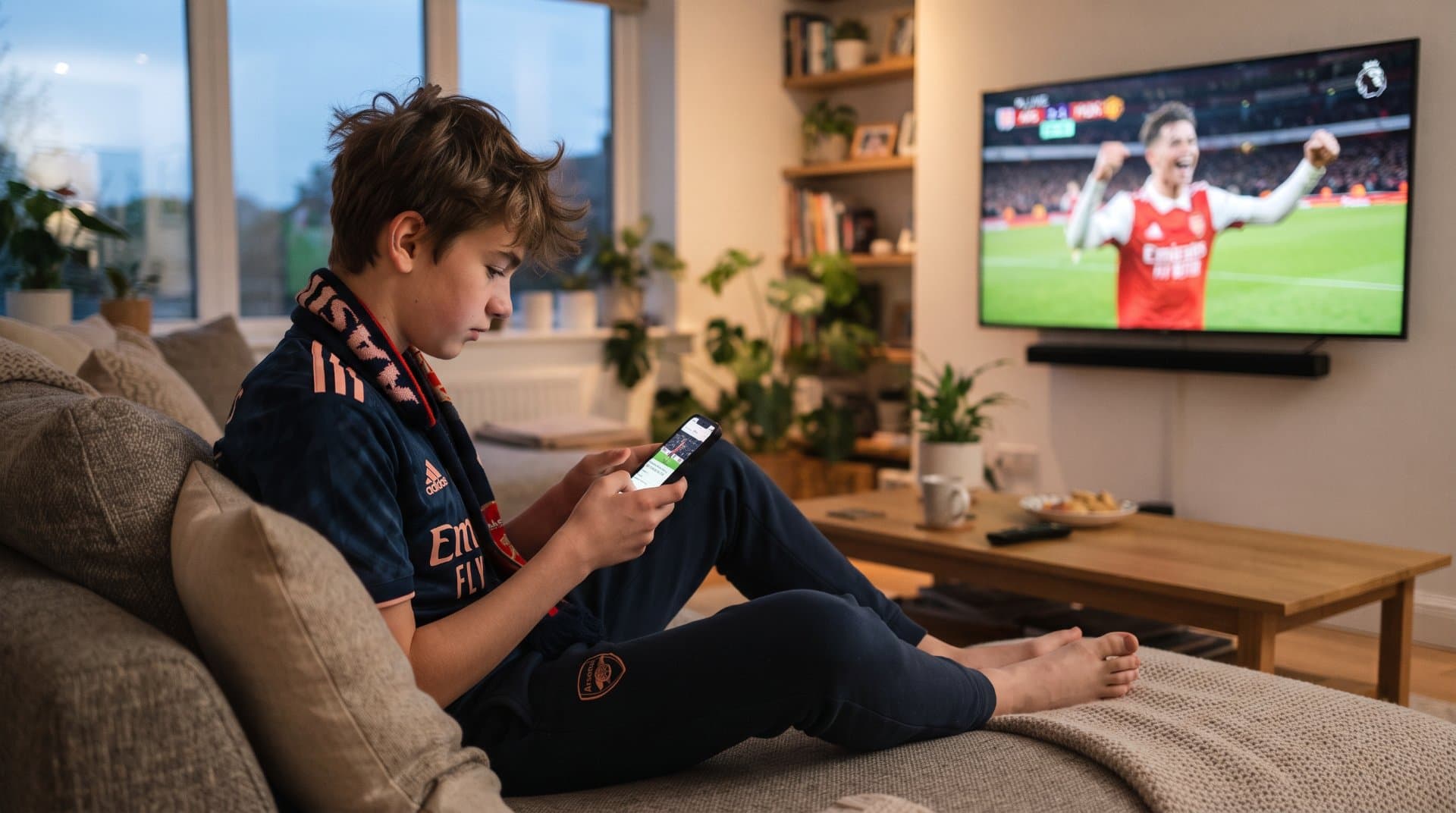
Why Younger Fans Are Changing the Way People Follow Sports
Younger fans watch sports differently. Here's how highlights, social media and athlete-first fandom are reshaping the sports world.
Emma Claire7 hours ago
How Pop Culture Is Bringing New Fans to Sports
Docuseries, celebrities and social media are turning casual viewers into sports fans. Here's how pop culture is reshaping fandom today.
Emma Claire7 hours agoReader Discussion (0)
No comments yet. Be the first to start the discussion!