Is It Better to Buy a New House or an Older Property?
Trying to decide between a new build and an older home? Here's how price, maintenance, location and lifestyle should shape your decision.
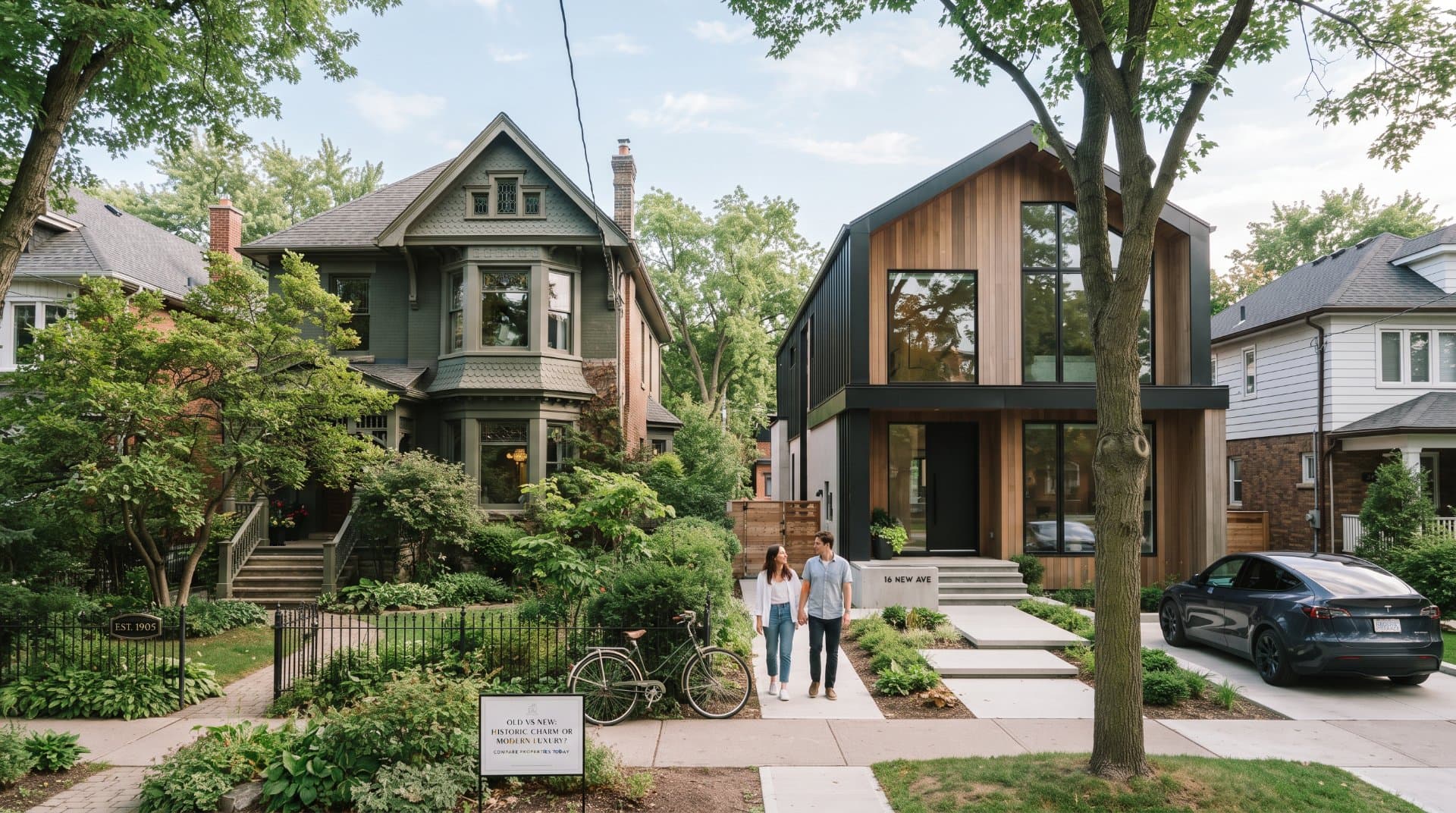
There is no single right answer to this. A new house and an older property solve different problems and the better choice depends on your budget, how much work you want to take on and where you want to live. Here is how the two actually compare, so you can match the choice to your situation instead of guessing.
The Real Difference Isn't Just Age
People often think this comes down to "new is better built" versus "old has more character." That's part of it, but the bigger differences are usually location, land and how much you'll spend after move-in.
New homes are almost always built on the edges of cities, in newer developments, because that's where land is available. Older homes tend to sit in established neighborhoods closer to city centers, schools and public transport that have been there for decades. So this decision is often really a choice between a newer house farther out or an older house in a more central spot.
Upfront Cost
New construction usually costs more per square foot than an older home in the same general area. Builders price in the cost of new materials, modern labor rates and the land itself.
Older homes are often priced lower for the same amount of space, especially if they need updating. That lower price can be the whole reason someone chooses an older property it opens up neighborhoods that would otherwise be out of reach.
But the sale price is only part of the cost. An older home that needs a new roof, updated wiring or a replaced HVAC system can end up costing as much as a new one once repairs are factored in. Before comparing prices directly, it's worth getting a proper inspection so you know what you're actually buying.
Maintenance and Repairs
This is where the two options really split.
New homes come with fewer surprises for the first several years. The roof, plumbing, electrical and appliances are all new, so major repairs are unlikely early on. Most new builds also come with a builder's warranty covering structural issues and major systems for a set period.
Older homes carry more risk of hidden problems outdated wiring, old plumbing, foundation settling or a roof nearing the end of its life. None of this means an older home is a bad choice, but it does mean you should budget for repairs rather than assume everything will hold up. A home inspection report is more important here than almost anywhere else in the process.
Energy Efficiency
New homes are built to current building codes, which usually means better insulation, more efficient windows and modern HVAC systems. That can mean noticeably lower utility bills compared to an older home with the original windows and insulation.
This doesn't mean every older home is inefficient many have been updated with new windows, insulation or a newer furnace. It just means you should ask about this directly rather than assume, since it affects your monthly costs long after you move in.
Land, Layout and Space
Older properties were often built on larger lots, in a time when land was cheaper and less tightly packed. If a yard, mature trees or extra space between neighbors matters to you, older neighborhoods often deliver more of that than new developments, where lots are frequently smaller to fit more homes on the land.
On the layout side, new homes tend to have open floor plans, larger kitchens and more closet and storage space, since these are what most buyers ask for today. Older homes often have smaller, more divided rooms, which some buyers like for privacy and separation and others find limiting.
Character and Customization
Older homes often have architectural details you simply can't get in new construction solid wood trim, higher ceilings in some styles, unique layouts or a look that reflects the era they were built in. If you want a home with personality rather than a standard modern layout, this is usually where older properties win.
New homes make up for this with a blank slate. Everything is new and untouched and depending on the builder, you may get some say in finishes, layout options or upgrades before you move in. If you'd rather not deal with a previous owner's choices, this is appealing.
If you buy older and want it to feel more personal, renovations are always possible but that adds cost and time on top of the purchase price, so it's worth budgeting for separately rather than treating it as a minor add-on.
Resale Value
This depends heavily on the local market, so it's hard to generalize. In some areas, new developments hold value well because everything is modern and in demand. In other areas, homes in established, walkable neighborhoods hold value better because that location can't be recreated once the land is built out.
A local real estate agent who knows the specific area you're considering will give you a far more accurate read on this than any general rule.
Common Mistakes Buyers Make
Comparing sale price only, without factoring in near-term repairs. An older home that's $30,000 cheaper isn't a deal if it needs a $25,000 roof next year.
Assuming "new" means "no problems." New builds can have construction defects too, especially the finishing details rushed to meet a deadline. A final walkthrough and inspection still matter.
Skipping the inspection on an older home because it "looks fine." Structural and system issues aren't always visible.
Not checking the neighborhood's long-term plans. New developments sometimes have more construction happening around them for years; older neighborhoods may have zoning or infrastructure limits worth knowing about upfront.
Who Should Buy a New House?
This tends to fit buyers who:
Want to avoid major repairs in the first several years
Prioritize energy efficiency and lower monthly utility costs
Are comfortable living farther from the city center
Prefer a modern, open layout over unique architectural character
Who Should Buy an Older Property?
This tends to fit buyers who:
Want a more central or established location
Are comfortable handling or budgeting for repairs and updates
Want more land, mature landscaping or architectural character
Are working with a tighter budget on the initial purchase price
Frequently Asked Questions
Is it cheaper to buy an old house than a new one?
Usually the purchase price is lower, but repair and update costs can close that gap. It depends on the home's condition.
Do new homes hold their value better than older homes?
It varies by location. Some new developments hold value well; in other markets, homes in established neighborhoods appreciate more due to limited land.
How do I know if an older home is a good investment?
A professional inspection is the best way to understand its real condition before you commit. Pay close attention to the roof, foundation, plumbing and electrical systems.
Are new homes always more energy efficient?
Generally yes, because they're built to current codes. But an older home with updated insulation, windows and HVAC can perform just as well.
What to Check Before You Decide
Whichever way you're leaning, get a full home inspection, ask about the age of major systems (roof, HVAC, water heater) and research how the specific neighborhood not just the city has performed over time. The "better" choice isn't new or old in general. It's whichever one fits your budget, your tolerance for maintenance and the location you actually want to live in.
Share this story with your network
Direct citation and sharing for this investigative report.

Afshan Yasmeen
Writer
Afshan Yasmeen is a writer and independent content creator who shares useful, well-researched, and easy-to-understand articles on her website. She enjoys exploring different topics, learning new things, and turning her research into practical information that readers can actually use. Her writing focuses on clarity, honest information, and a simple human style. She takes the time to research topics carefully and aims to explain even complex subjects in a way that feels natural and easy to follow. Through her website, Afshan shares her knowledge, ideas, findings, and helpful guides with readers from different backgrounds. Her goal is simple: to create content that is genuinely useful, trustworthy, and worth reading.
Related Coverage & Dispatches
More in Real Estate →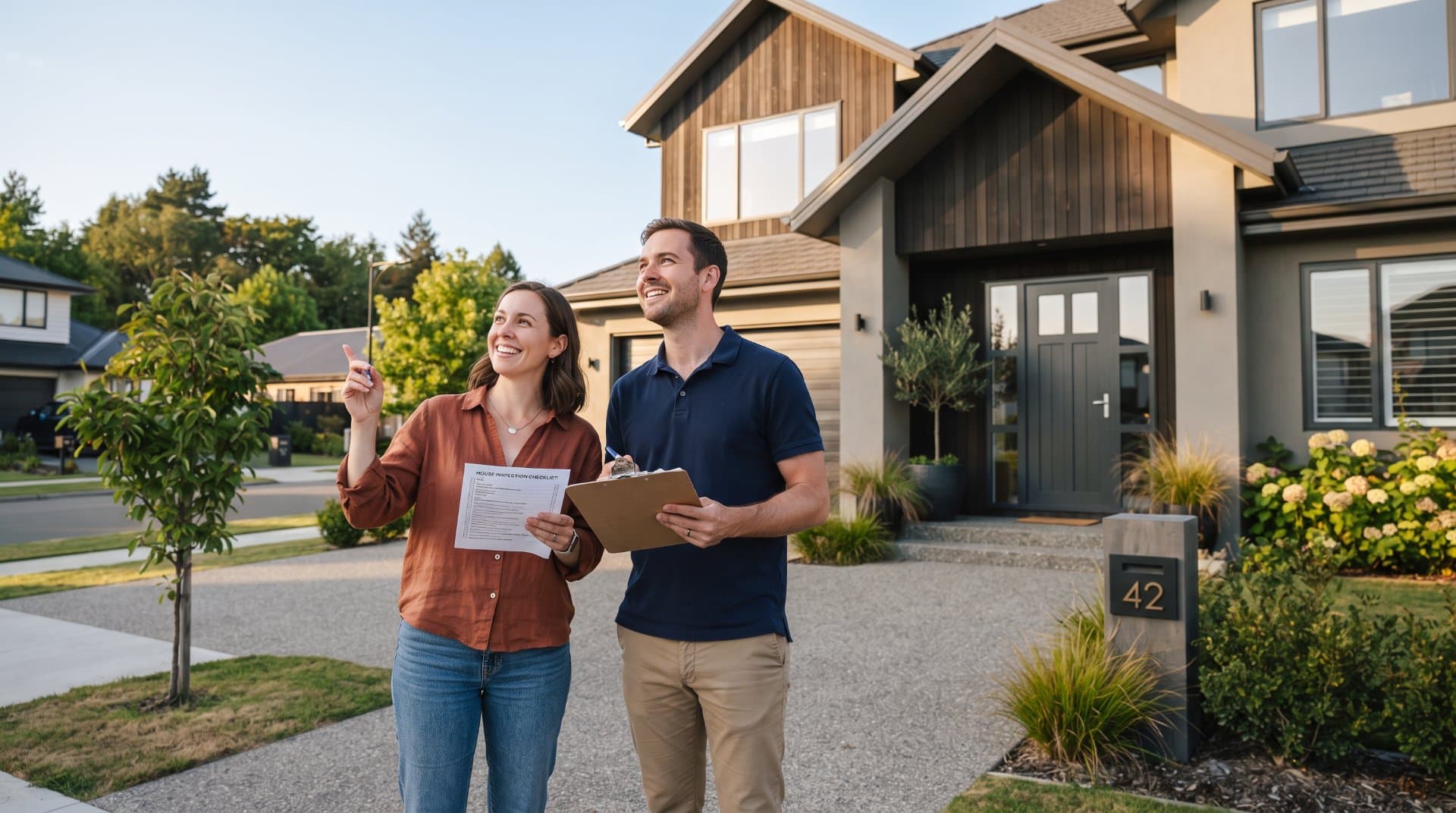
What Should You Check Before Buying a House?
Buying a house is a big decision. Here's a simple, practical checklist of what to check before you buy, from the structure to the paperwork.
Afshan Yasmeen7 hours ago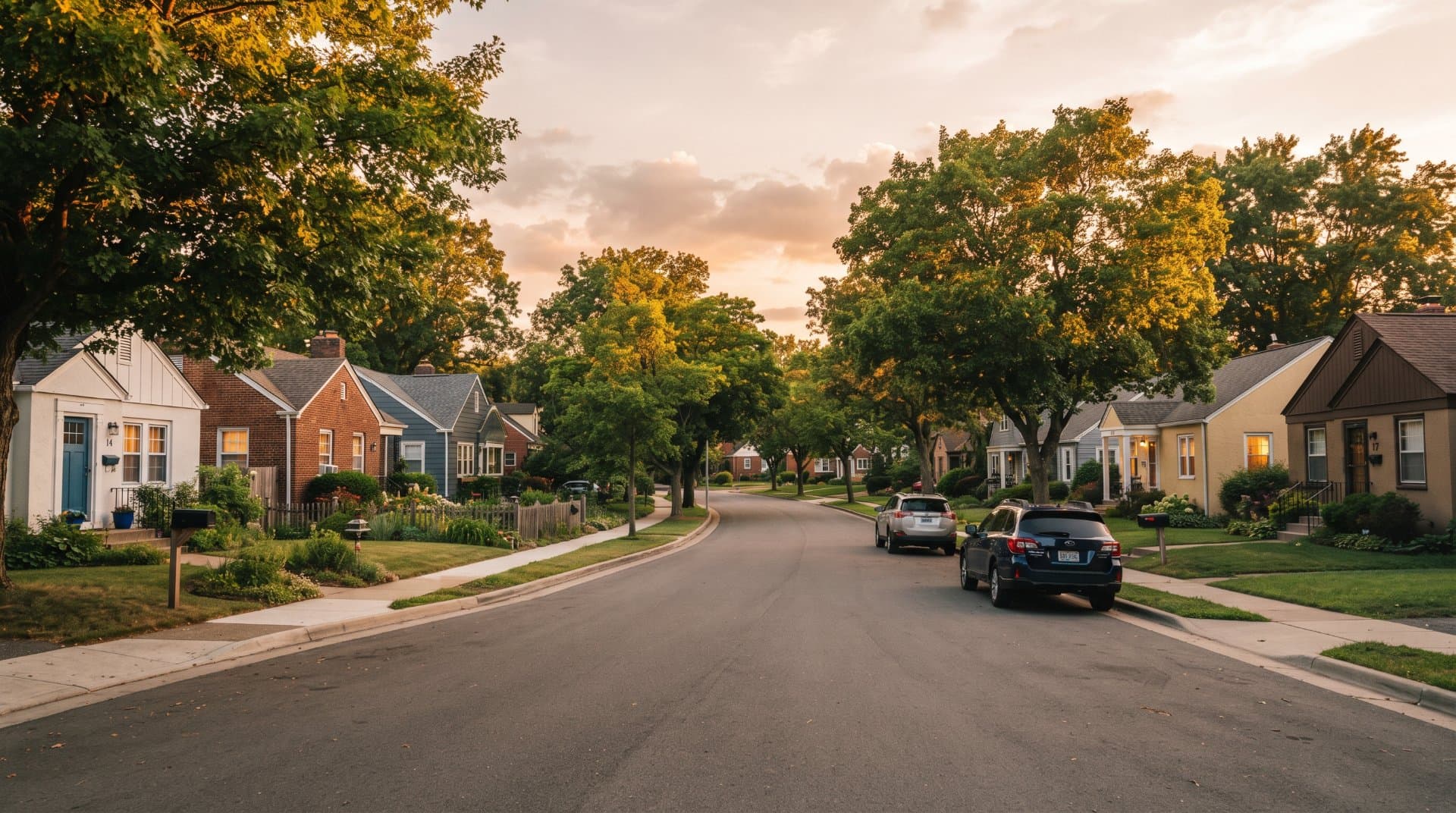
Why Is Location So Important When Buying Property?
Location affects a property's value, daily life and resale potential more than almost anything else. Here's why it matters and what to check.
Afshan Yasmeen7 hours ago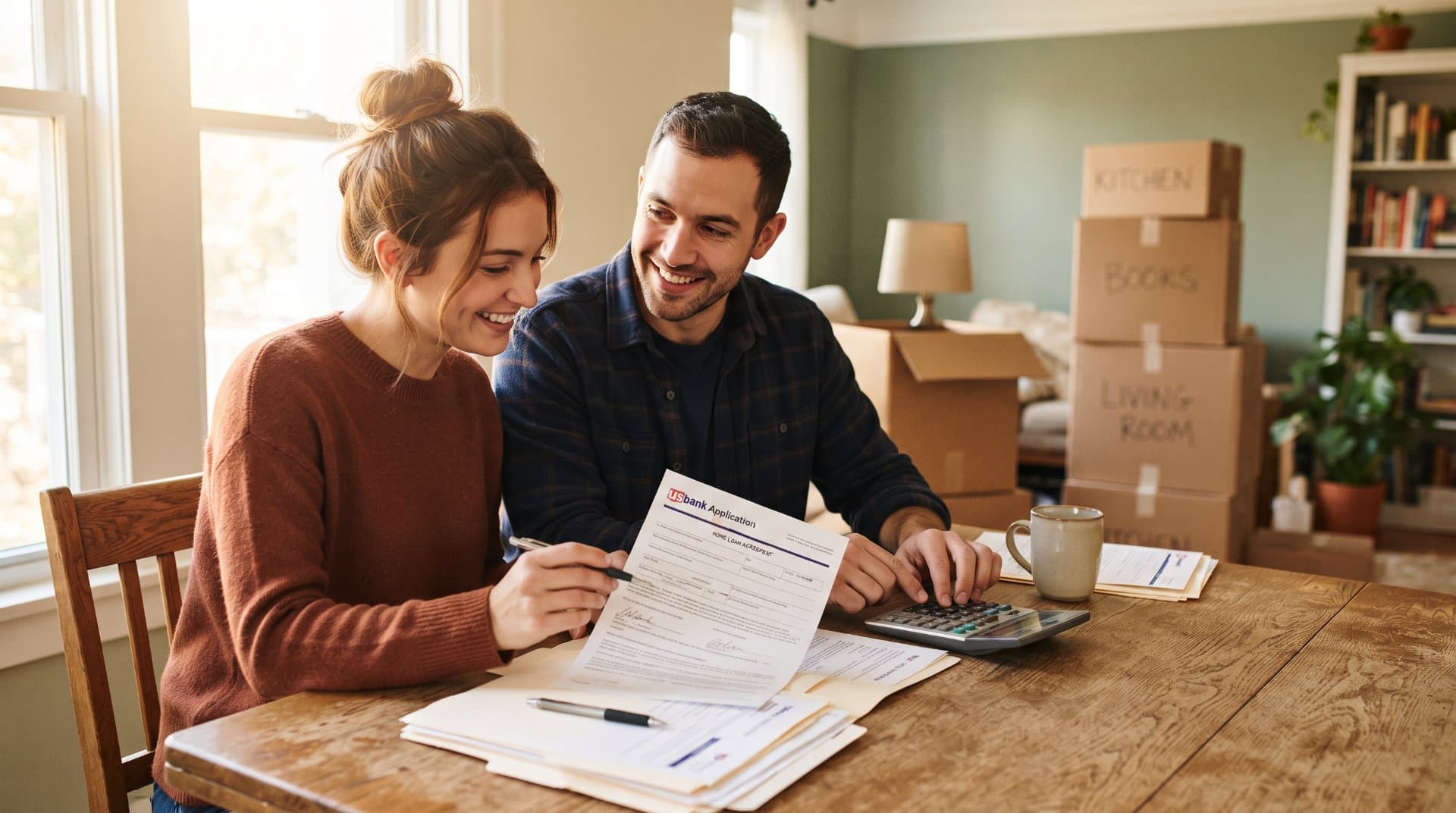
What Hidden Costs Should You Expect When Buying a Home?
The down payment is just the start. Here's a clear breakdown of the closing costs, taxes and extra fees that catch home buyers off guard.
Afshan Yasmeen7 hours agoReader Discussion (0)
No comments yet. Be the first to start the discussion!