Why Is Location So Important When Buying Property?
Location affects a property's value, daily life and resale potential more than almost anything else. Here's why it matters and what to check.
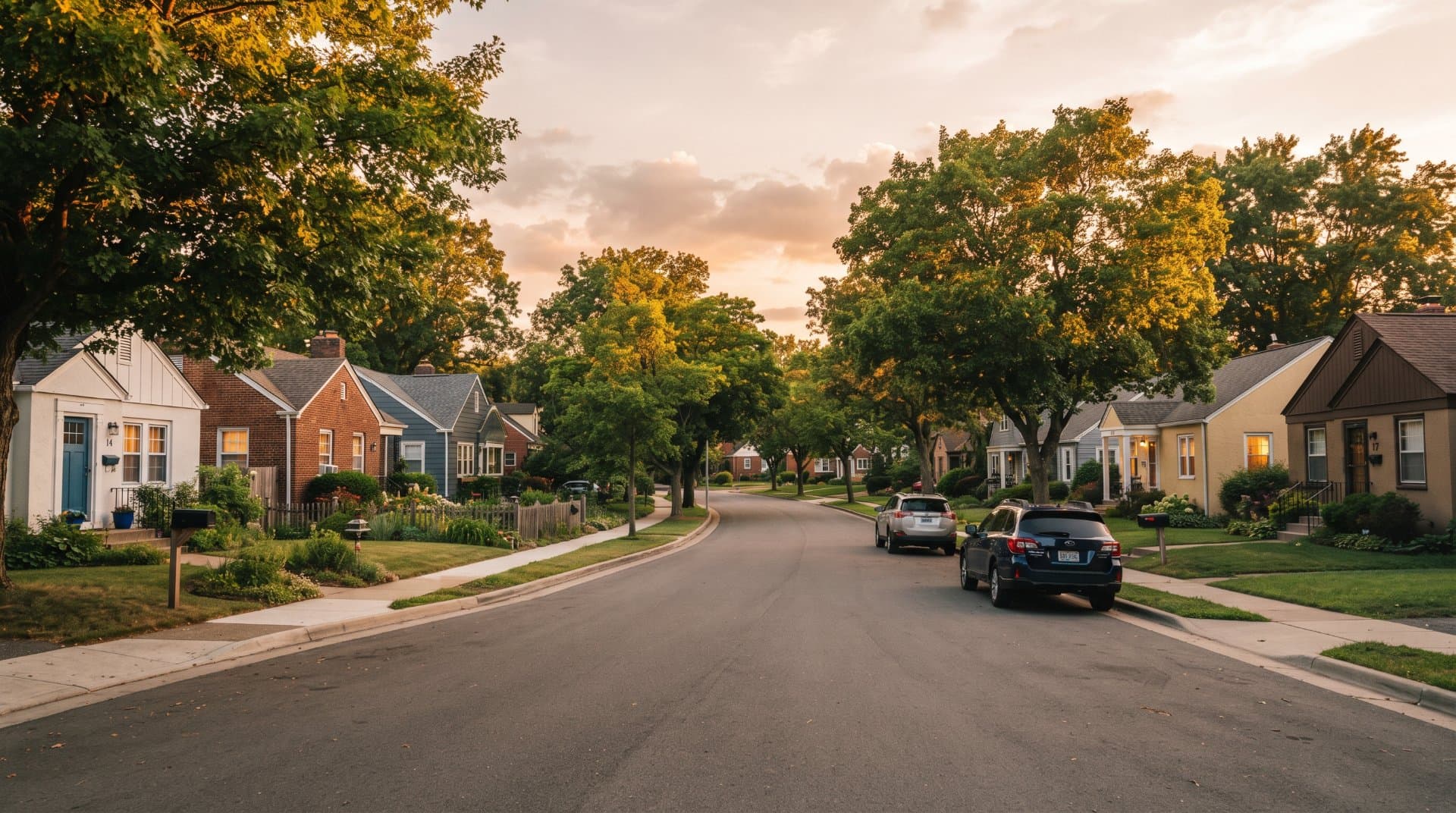
You can renovate a kitchen. You can add a bathroom, repaint the walls or replace old flooring. What you cannot change is where the house sits. That's the main reason experienced buyers and agents keep repeating the same advice: location matters more than almost anything else about a property.
This article explains why that's true, what parts of "location" actually matter and what to check before you commit to buying.
Location Sets the Ceiling on Value
A property's location has a direct effect on how much it's worth, both now and in the future.
Two nearly identical houses can have very different prices simply because of where they are. A house near good schools, safe streets and useful amenities will usually sell for more than the same house in an area with fewer advantages. Buyers are not just paying for the building. They're paying for everything around it the schools, the commute, the safety and the convenience.
This also affects how much a renovation can help. Upgrading a kitchen in a poor location will raise the price a little. Upgrading a kitchen in a strong location can raise it a lot more, because buyers in that area are already willing to pay a premium.
You Can Change a House, But Not Its Surroundings
This is the simplest way to think about it: features are flexible, location is fixed.
A small kitchen can be expanded.
Outdated flooring can be replaced.
An extra bedroom can sometimes be added.
A busy road, a noisy neighbor, a bad school district or a long commute cannot be fixed with renovation.
If a property has a flaw you can fix, it's usually not a serious long-term problem. If the flaw is about the location, it will likely stay a problem for as long as you own the property.
Location Affects Daily Life, Not Just Price
Buying a home is not only a financial decision. It's also a decision about how you'll actually live.
Think about what location decides:
How long you spend commuting to work each day
Whether your kids can walk to school
How close you are to grocery stores, hospitals and pharmacies
Whether you can easily see family and friends
How safe you feel walking around at night
Whether you have access to parks, gyms or public transport
A beautiful house in an inconvenient location can quietly become a source of stress. A modest house in a convenient, comfortable area often makes daily life easier, even if the home itself is smaller or older.
Location Determines Resale Value
Most people don't buy a home expecting to live there forever. Life changes jobs move, families grow, priorities shift. When it's time to sell, location plays a major role in how easily the property sells and at what price.
Properties in strong locations tend to:
Sell faster
Attract more buyers
Hold their value better during a market downturn
Recover more quickly after a downturn
Properties in weaker locations can sit on the market longer, even when priced fairly, simply because fewer buyers want to live there.
What "Good Location" Actually Means
"Good location" isn't one single thing. It's a combination of factors and the right mix depends on what matters to you.
Proximity to work. A shorter commute saves time and money on transport and it often improves quality of life more than people expect.
School quality. Even buyers without children should pay attention to this, because good school districts tend to support stronger property values.
Safety. Crime rates affect both comfort and resale value. This is worth checking directly rather than assuming.
Access to amenities. Grocery stores, hospitals, pharmacies and public transport within a reasonable distance make daily life more manageable.
Future development plans. New infrastructure, like roads, transit lines or commercial centers, can raise property values over time. Planned industrial projects or major zoning changes can sometimes lower them.
Neighborhood trend. Is the area improving, staying the same or declining? A neighborhood on the way up can be a good investment. One in decline can be a warning sign, even if the current price looks attractive.
Noise and environment. Proximity to airports, highways or industrial areas can affect both comfort and long-term value.
A Common Mistake: Falling in Love With the House, Not the Area
It's easy to walk into a well-staged home and get emotionally attached to it. The lighting is good, the layout feels right and it's easy to imagine living there.
But a house is only part of the purchase. The neighborhood is what you'll actually experience every day the drive to work, the walk to the corner store, the sounds outside your window at night. Buyers who focus only on the house, without seriously evaluating the surrounding area, often end up dealing with problems they didn't anticipate.
A useful habit: visit the neighborhood at different times. A street that looks quiet on a Tuesday morning might be very different on a Friday night. Traffic, noise and activity levels can change a lot depending on the time of day.
Location vs. Property Features: How to Balance Both
This doesn't mean the property itself doesn't matter. It does. But when a buyer has to choose between a great house in a weak location and an average house in a strong location, the second option is usually the safer choice financially.
If a property checks most of the boxes on location but needs some cosmetic work, that's often a better long-term buy than a flawless house in a location with real limitations.
How to Research a Location Before Buying
Before making an offer, it helps to look beyond the listing itself.
Check crime statistics for the specific neighborhood, not just the city.
Look at school ratings if this matters to you or to future buyers.
Time your commute during actual rush hour, not just on a map app's estimate.
Ask about upcoming development at the local planning office or council website.
Walk the neighborhood at different times of day.
Talk to current residents if possible they often know details that aren't listed anywhere.
Check flood zones or environmental risks where relevant, especially in areas prone to natural hazards.
None of this takes long, but it can prevent a costly mistake.
Is Location Always the Most Important Factor?
Not for everyone. Someone buying a vacation property might prioritize the view or the quiet over convenience. Someone planning to renovate and sell quickly might accept a rougher house if the location is strong. Someone with a fixed budget might have to trade off some location quality for affordability.
The honest answer is that location is usually the most important single factor, but it should still be weighed against your specific goals, budget and how long you plan to stay.
Final Thought
A house can be updated. A location can't. Before getting attached to a property's interior, it's worth asking harder questions about what's around it the commute, the schools, the safety and where the neighborhood seems to be heading. Those answers will matter for as long as you own the property, long after any renovation is finished.
FAQ
Does location matter more than the size of the house?
For most buyers, yes. A smaller house in a strong location tends to hold its value better than a larger house in a weak one.
Can a bad location ever be worth it?
Sometimes, if the price is low enough and you plan to sell quickly or don't need to rely on resale value. But it's a higher-risk approach.
What if I love the house but I'm unsure about the area?
Spend more time in the neighborhood before deciding visit at different times of day, talk to neighbors if you can and check crime and school data for that specific area.
Is location as important for renters as it is for buyers?
It matters for both, but the financial stakes are higher for buyers, since location affects long-term value and resale, not just day-to-day convenience.
Share this story with your network
Direct citation and sharing for this investigative report.

Afshan Yasmeen
Writer
Afshan Yasmeen is a writer and independent content creator who shares useful, well-researched, and easy-to-understand articles on her website. She enjoys exploring different topics, learning new things, and turning her research into practical information that readers can actually use. Her writing focuses on clarity, honest information, and a simple human style. She takes the time to research topics carefully and aims to explain even complex subjects in a way that feels natural and easy to follow. Through her website, Afshan shares her knowledge, ideas, findings, and helpful guides with readers from different backgrounds. Her goal is simple: to create content that is genuinely useful, trustworthy, and worth reading.
Related Coverage & Dispatches
More in Real Estate →
What Should You Check Before Buying a House?
Buying a house is a big decision. Here's a simple, practical checklist of what to check before you buy, from the structure to the paperwork.
Afshan Yasmeen7 hours ago
What Hidden Costs Should You Expect When Buying a Home?
The down payment is just the start. Here's a clear breakdown of the closing costs, taxes and extra fees that catch home buyers off guard.
Afshan Yasmeen7 hours ago
Is It Better to Buy a New House or an Older Property?
Trying to decide between a new build and an older home? Here's how price, maintenance, location and lifestyle should shape your decision.
Afshan Yasmeen19 hours agoReader Discussion (0)
No comments yet. Be the first to start the discussion!