What Should You Check Before Buying a House?
Buying a house is a big decision. Here's a simple, practical checklist of what to check before you buy, from the structure to the paperwork.
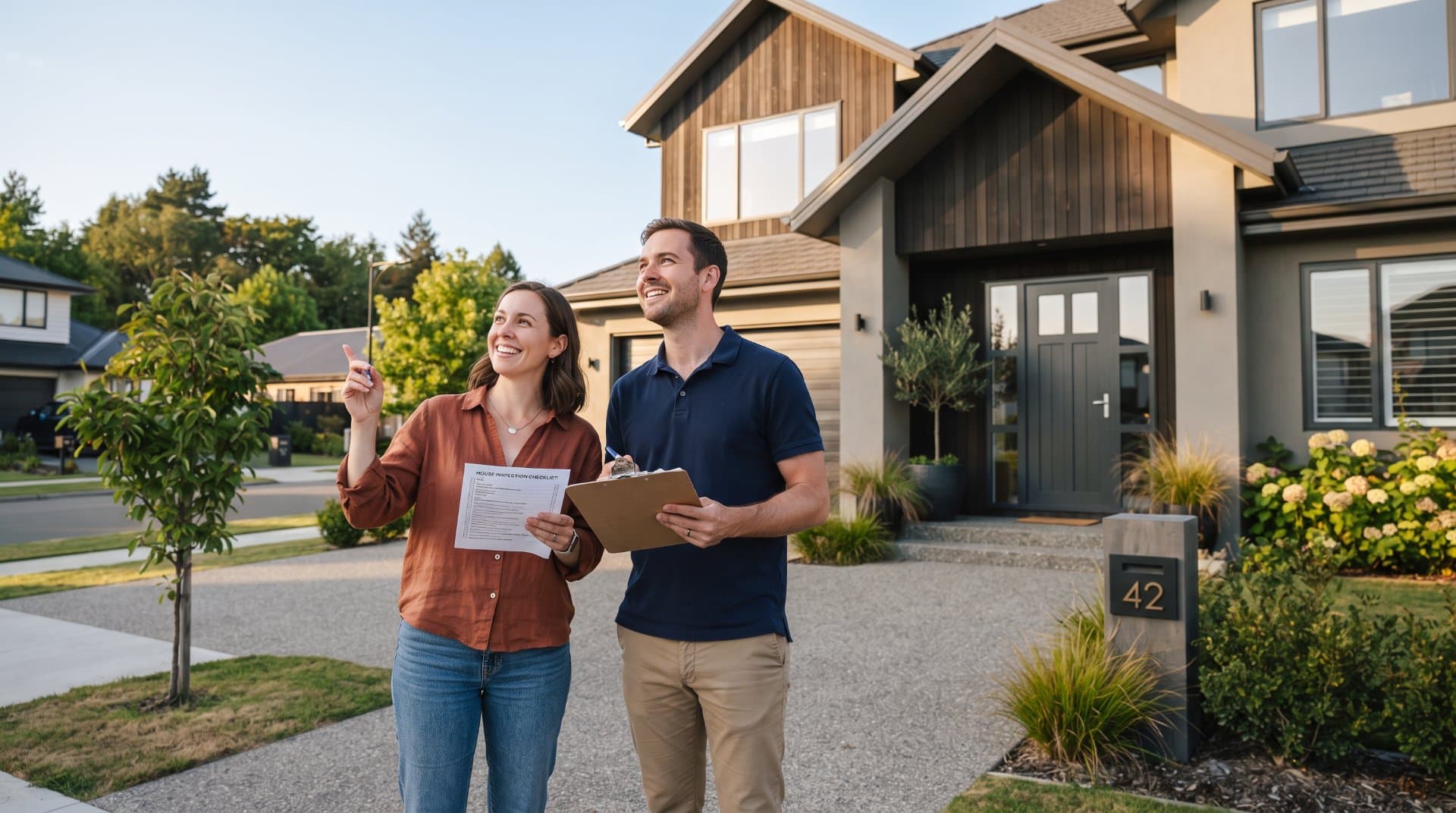
Buying a house is one of the biggest decisions most people make. It is easy to fall in love with a place after one visit and skip the questions that actually matter. A house can look perfect and still have problems that only show up later, after the paperwork is signed.
This guide walks through the practical things worth checking before you buy, so you go in with your eyes open.
Start With the Structure, Not the Décor
Fresh paint and nice furniture can hide a lot. Before you get attached to how a house looks, pay attention to how it is built.
Check for:
Cracks in the walls or ceiling, especially large or spreading ones
Uneven or sloping floors
Water stains on ceilings or walls, which can point to leaks
Signs of mold or a musty smell, particularly in basements
The condition of the roof, including its age if you can find out
Doors and windows that open and close properly
A small crack in a wall is often nothing to worry about. A pattern of cracks, especially near windows or corners, is worth asking about.
Get a Proper Home Inspection
A home inspection is one of the most useful steps in the entire process and it is easy to skip when you are excited about a place. A qualified inspector checks the things a normal visit will not reveal, such as the electrical wiring, plumbing, foundation and roof condition.
The inspection report will not always be perfect. Almost every house has something worth noting. What matters is whether the issues are minor and expected or serious enough to affect the price or your decision.
Check the Age and Condition of Major Systems
These are expensive to replace, so it helps to know their condition before you buy, not after.
Roof – Ask how old it is and whether it has been repaired or replaced.
HVAC system – Heating and cooling systems have a limited lifespan.
Water heater – A well-maintained one can last many years, but an old one may need replacing soon.
Electrical panel – Older homes sometimes have outdated wiring that does not meet current standards.
Plumbing – Ask about the pipe material and whether there have been past leaks or repairs.
If any of these are near the end of their life, factor the replacement cost into your decision.
Understand the Neighborhood, Not Just the House
The house is only part of what you are buying. The area around it matters just as much for daily life and long-term value.
Worth checking:
Noise levels at different times of day
Traffic and parking
Distance to work, schools or places you visit often
How well-kept the neighboring properties are
Whether there are planned developments nearby that could change the area
It helps to visit the neighborhood more than once, including in the evening or on a weekend, since a street can feel very different depending on when you see it.
Look Into the Property's History
Ask why the current owner is selling. Sometimes it is a simple life change, like relocating for work. Other times it points to an issue with the house or area, such as recurring flooding or a difficult neighbor.
Also worth checking:
How many times the property has been sold recently and how long each owner stayed
Whether there have been any insurance claims tied to the property, such as fire or water damage
Any history of pest problems, especially termites
A property that has changed hands often in a short time is not automatically a red flag, but it is worth asking about.
Confirm the Legal and Paperwork Details
This part is less exciting than walking through rooms, but skipping it can cause serious problems later.
Title check – Confirm the seller actually owns the property and there are no legal disputes tied to it.
Outstanding liens or debts – Make sure there are no unpaid loans or taxes attached to the property.
Zoning rules – Confirm the property is zoned for how you plan to use it.
Permits – If any extensions or renovations were done, check they were properly permitted. Unpermitted work can cause issues when you try to sell later.
Boundary lines – Confirm where the property actually ends, especially if there is a fence, driveway or shared wall involved.
A real estate lawyer or a qualified conveyancer can check most of this for you. It is a cost worth paying.
Check the True Cost of Owning the House
The purchase price is just the starting point. Before committing, get a realistic picture of the ongoing costs.
Property taxes
Home insurance
Utility costs, which can vary a lot depending on the home's age and insulation
Homeowners association fees, if there are any
Maintenance costs, particularly for older homes
Ask the seller for past utility bills if possible. It gives a more honest picture than guessing.
Test Everything You Can During a Visit
During your visit, do not just look. Actually test what you can.
Run the taps and check water pressure
Flush the toilets
Turn on lights and check outlets
Open and close windows and doors
Check for cell phone signal and internet availability in the area
These small checks take a few minutes but can reveal issues a quick walk-through would miss.
Common Mistakes to Avoid
Skipping the inspection to save money. This is one of the most common regrets among buyers.
Ignoring the neighborhood because the house looks great. You cannot renovate a bad location.
Not asking enough questions. A good seller or agent should be able to answer directly, not deflect.
Rushing because of competition. It is normal to feel pressure in a competitive market, but a rushed decision on a house is hard to undo.
Forgetting to budget for ongoing costs. Many buyers focus only on the purchase price and mortgage.
Frequently Asked Questions
Is a home inspection really necessary if the house looks fine?
Yes. Many serious issues, like electrical problems or a weak foundation, are not visible during a normal walk-through.
How many times should I visit a house before deciding?
There is no fixed number, but visiting at least twice, at different times of day, gives a better sense of the property and the area.
What is the biggest red flag to watch for?
Recurring issues are usually more concerning than a single problem. For example, a wall that has been repainted repeatedly in the same spot may be hiding a repeated leak.
Should I still buy a house if the inspection finds issues?
Not necessarily a problem. Most houses have some issues. What matters is whether they are minor and fixable or serious enough to affect safety or long-term costs.
What to Do Next
Buying a house involves a lot of moving parts, but most problems come from skipping steps rather than the house itself having something unusual. Get a proper inspection, understand the neighborhood, check the paperwork carefully and be honest with yourself about ongoing costs. A house that checks out on all of these is a much safer decision than one you simply liked at first sight.
Share this story with your network
Direct citation and sharing for this investigative report.

Afshan Yasmeen
Writer
Afshan Yasmeen is a writer and independent content creator who shares useful, well-researched, and easy-to-understand articles on her website. She enjoys exploring different topics, learning new things, and turning her research into practical information that readers can actually use. Her writing focuses on clarity, honest information, and a simple human style. She takes the time to research topics carefully and aims to explain even complex subjects in a way that feels natural and easy to follow. Through her website, Afshan shares her knowledge, ideas, findings, and helpful guides with readers from different backgrounds. Her goal is simple: to create content that is genuinely useful, trustworthy, and worth reading.
Related Coverage & Dispatches
More in Real Estate →
Why Is Location So Important When Buying Property?
Location affects a property's value, daily life and resale potential more than almost anything else. Here's why it matters and what to check.
Afshan Yasmeen7 hours ago
What Hidden Costs Should You Expect When Buying a Home?
The down payment is just the start. Here's a clear breakdown of the closing costs, taxes and extra fees that catch home buyers off guard.
Afshan Yasmeen7 hours ago
Is It Better to Buy a New House or an Older Property?
Trying to decide between a new build and an older home? Here's how price, maintenance, location and lifestyle should shape your decision.
Afshan Yasmeen19 hours agoReader Discussion (0)
No comments yet. Be the first to start the discussion!