Why Does Homemade Food Sometimes Taste Better Than Restaurant Food?
Ever wonder why homemade food can taste better than a restaurant meal? Here's the real explanation, from ingredients to emotion and expectations.
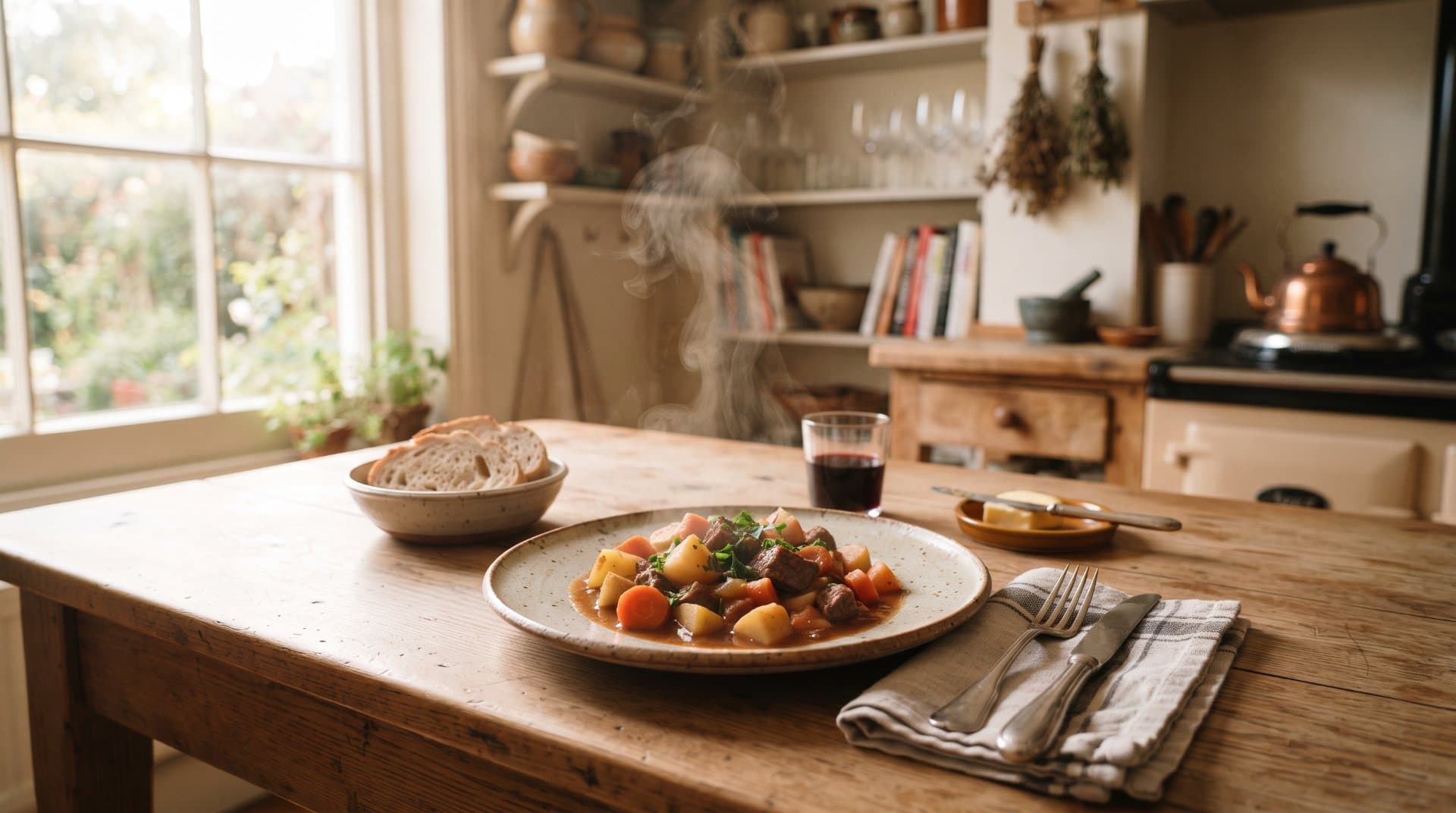
You order the same dish you make at home. It costs more, it looks nicer on the plate and a trained chef made it. But somehow, it just doesn't hit the same. Your own version, cooked in your kitchen, tastes better to you.
This happens to a lot of people and there are real reasons behind it. Some are about the food itself. Some are about your brain. Here's what's actually going on.
Your Taste Buds Remember What You're Used To
Taste is not only about flavor. It's also about memory. If you grew up eating a certain amount of salt, spice or sweetness, that becomes your normal. When a restaurant dish doesn't match that, it can taste slightly "off," even if it's well made.
This is one reason homemade food often feels more satisfying. It's tuned to your exact preferences, not to a general customer base.
You Control Every Ingredient
At home, you decide what goes into the pot. You know if the tomatoes are fresh, how much butter you used or whether the chicken was frozen for two weeks. Restaurants have to think about cost, speed and consistency across hundreds of servings a day.
This doesn't mean restaurant food uses bad ingredients. It means the priorities are different. A home cook can choose quality over efficiency, since there's no pressure to serve a large number of people at once.
Restaurants Cook for Consistency, Not Just Flavor
A restaurant kitchen needs every plate to come out the same, whether it's the first order of the night or the two-hundredth. That requires standardized recipes, pre-measured portions and steps that can be repeated quickly under pressure.
Home cooking doesn't have that constraint. You can taste as you go, adjust the salt, add a bit more garlic or let something simmer a little longer because it smells right. That flexibility often leads to a more balanced result, even if it takes longer.
Fresh, Straight From the Stove
Timing plays a bigger role than most people realize. Homemade food usually goes straight from the pan to your plate. Restaurant food often waits under a heat lamp, travels from the kitchen to your table or gets packed for delivery.
Even a few extra minutes can change texture and flavor. Crispy food turns soft. Hot food cools down. Sauces separate slightly. None of this is the kitchen's fault, it's just a side effect of the process between cooking and eating.
Emotional Connection Changes How Food Tastes
This part is easy to underestimate, but it matters a lot. Food made by someone who cares about you carries meaning that a stranger's cooking usually doesn't. A parent's recipe, a partner's effort after a long day or a dish tied to a specific memory adds something no seasoning can copy.
This is why the same recipe can taste completely different depending on who made it and why.
Expectations Shape the Experience
When you go to a restaurant, especially a well-reviewed one, you expect something special. High expectations can work against the food. If it's simply good, it might feel disappointing compared to the buildup.
At home, expectations are usually lower and more relaxed. You're not comparing the meal to online reviews or a menu description. That relaxed mindset often makes the food taste better than it might otherwise.
Restaurants Have to Please Everyone
A restaurant dish is built for a wide range of customers, not just you. Spice levels get toned down. Strong flavors get balanced out. This keeps the dish approachable for most people, but it can also make it less exciting for someone with specific tastes.
Homemade food doesn't need to please a crowd. It only needs to please the people eating it.
When Restaurant Food Actually Wins
To be fair, restaurants have real advantages too. Professional equipment, high heat sources and specialized techniques can produce results that are hard to copy at home. Certain dishes, like wood-fired pizza or slow-smoked meat, genuinely need commercial equipment to reach their full potential.
So it's not that homemade food is always better. It's that the two are built for different purposes; one for comfort and personal taste, the other for scale and consistency.
Frequently Asked Questions
Is homemade food always healthier than restaurant food?
Not always, but it often is, since you control the ingredients, portion sizes and cooking oil used.
Why does food taste better the next day sometimes?
Flavors like those in curries, stews and sauces have more time to blend together, which can improve taste after resting overnight.
Can restaurants make food taste as good as home cooking?
Yes, especially with fresh ingredients and quick service, but the personal and emotional factors of home cooking are hard to fully replicate.
What This Really Comes Down To
There's no single reason homemade food tastes better. It's a mix of fresher ingredients, better timing, personal taste and the simple fact that someone cooked it with you in mind. Restaurant food isn't worse, it's just built for a different job. Understanding this can help you enjoy both, without expecting one to replace the other.
Related Topics:
Share this story with your network
Direct citation and sharing for this investigative report.

Afshan Yasmeen
Writer
Afshan Yasmeen is a writer and independent content creator who shares useful, well-researched, and easy-to-understand articles on her website. She enjoys exploring different topics, learning new things, and turning her research into practical information that readers can actually use. Her writing focuses on clarity, honest information, and a simple human style. She takes the time to research topics carefully and aims to explain even complex subjects in a way that feels natural and easy to follow. Through her website, Afshan shares her knowledge, ideas, findings, and helpful guides with readers from different backgrounds. Her goal is simple: to create content that is genuinely useful, trustworthy, and worth reading.
Related Coverage & Dispatches
More in Science & Health →
What Happens to Your Body When You Spend Too Much Time Sitting?
Sitting for hours can affect your heart, muscles and metabolism. Here's what actually happens to your body and simple ways to break up long sitting time.
Afshan YasmeenSep 19, 2026
How Does Your Body Know When You Are Hungry?
Learn how hunger actually works, from hormones like ghrelin and leptin to your brain and stomach, explained in plain, simple language.
Afshan YasmeenSep 18, 2026
Why Does Your Body Feel Tired After a Poor Night of Sleep?
Poor sleep leaves you drained the next day. Here's what happens inside your body, why it makes you tired and what actually helps.
Afshan YasmeenSep 18, 2026Reader Discussion (0)
No comments yet. Be the first to start the discussion!