What Should You Check Before Buying Your First Home?
Buying your first home? Here is a practical checklist covering budget, inspections, location, paperwork and the small details buyers often miss.
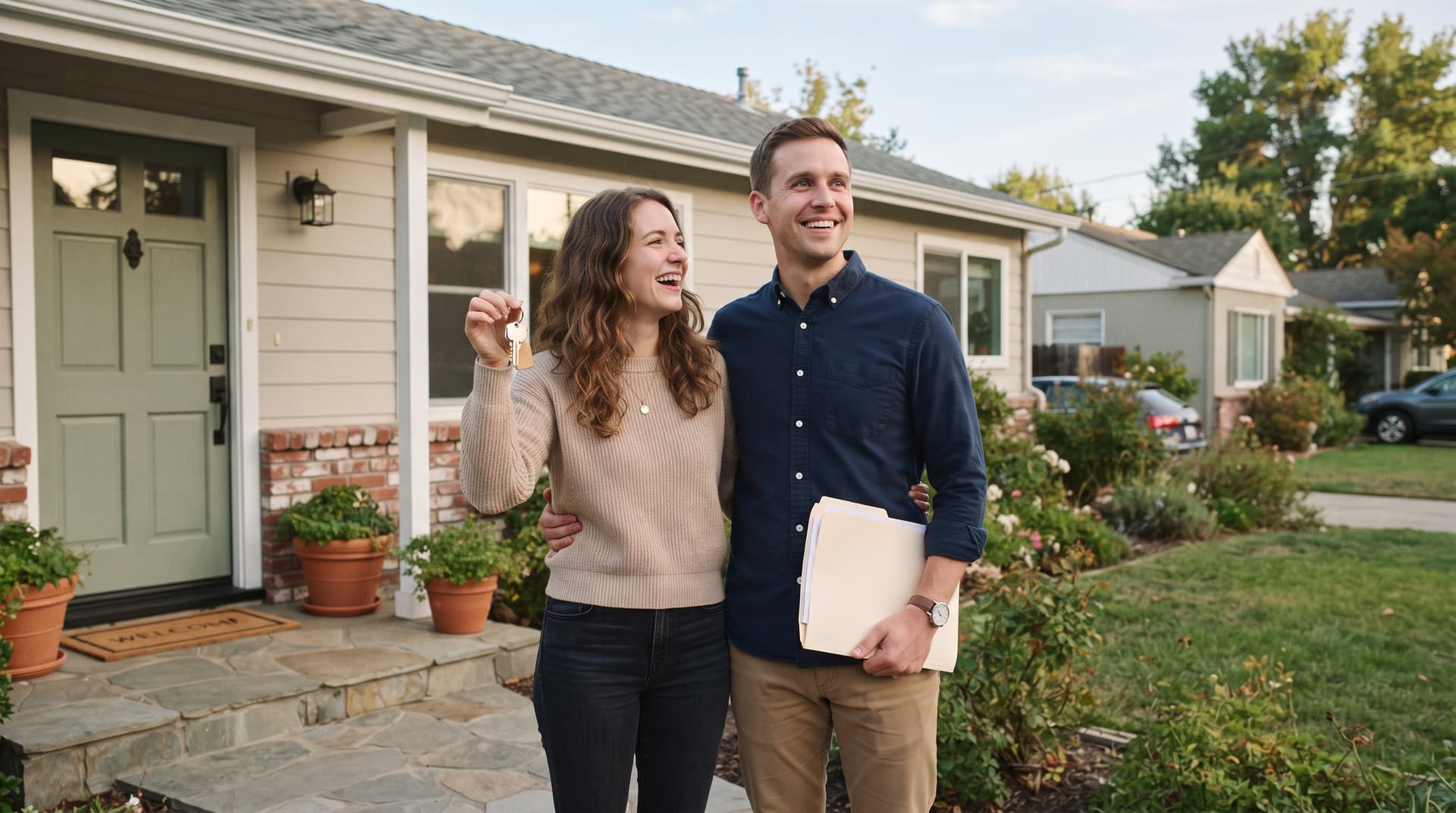
Buying your first home is one of the biggest financial decisions most people ever make. It is easy to get caught up in how a house looks and forget to check the things that actually matter later. This guide walks through what to look at before you sign anything, so you can buy with confidence instead of regret.
Get Your Finances in Order First
Before you even start looking at listings, know what you can actually afford.
Check your credit score and fix any errors on your report.
Get pre-approved for a mortgage so you know your real budget, not just an estimate.
Add up all the extra costs, not just the mortgage: property taxes, insurance, closing costs and maintenance.
Keep some savings aside after the purchase. Moving in often costs more than people expect, between repairs, furniture and small fixes.
A common mistake is budgeting only for the monthly mortgage payment. The real monthly cost is usually higher once taxes, insurance and upkeep are added in.
Check the Location, Not Just the House
You can change a lot about a house. You cannot change where it sits.
Look at the neighborhood during the day and at night. It can feel very different.
Check the commute to work, school and places you visit often.
Look into nearby noise sources: highways, train lines, airports or bars.
Research whether the area is likely to grow or decline in the coming years, if that information is available from local planning sources.
Check flood zones and other natural risk factors through official government maps for your area.
If you are unsure how to check flood risk or zoning in your specific city or country, your local planning office or land registry is usually the right place to ask, since this varies a lot by location.
Get a Proper Home Inspection
This is one step first-time buyers should never skip, even if the house looks perfect.
A home inspection should cover:
The roof, foundation and structure
Plumbing and water pressure
Electrical wiring and panel condition
Heating and cooling systems
Signs of water damage, mold or pest issues
Windows and doors
If the inspector finds problems, you don't need to walk away automatically. Use the report to negotiate a lower price or ask the seller to fix the issue before closing.
Understand What You're Actually Paying For
Before buying, check exactly what is included in the price and what isn't.
Review the Legal Paperwork Carefully
This part is not exciting, but it protects you.
Read the full purchase agreement, not just the summary.
Confirm the property title is clear and there are no ownership disputes.
Check that all necessary permits were pulled for any past renovations. Unpermitted work can cause problems when you try to sell later.
If anything in the contract is unclear, ask a real estate lawyer or licensed agent to explain it before you sign.
Never assume a clause is "standard" just because someone tells you it is. Read it yourself.
Things Buyers Often Miss
A few details that don't always show up on a standard checklist:
Cell signal and internet availability worth checking in person, since some areas have weaker coverage than expected.
Water pressure on the top floor, if it's a multi-story house.
Age of major appliances and systems, like the water heater or HVAC unit, since these are expensive to replace.
How much natural light the home gets at different times of day.
Storage space closets and storage often look fine in photos but feel small in person.
None of these are deal-breakers on their own, but they affect how comfortable the home actually is to live in.
Questions to Ask Before You Make an Offer
Why is the seller moving?
How long has the property been on the market?
Have there been any recent price reductions?
What repairs or renovations have been done and when?
Are there any known issues with neighbors or the local area?
The seller's agent may not answer all of these directly, but asking still gives you useful information.
FAQ
Do I need a home inspection if the house looks new? Yes. Even new homes can have construction issues that aren't visible without a proper inspection.
How much should I save beyond the down payment? It depends on your situation, but many buyers set aside extra for closing costs and unexpected repairs in the first year.
Is it normal to negotiate after an inspection? Yes, this is common. Sellers often expect some negotiation if the inspection finds real issues.
Should I buy the first home I like? Not necessarily. It helps to compare a few options so you have a sense of typical pricing and condition in the area before deciding.
What to Do Next
Buying your first home comes down to checking the things that are hard to fix later: the location, the structure, the paperwork and your own budget. A house that looks good in photos can still have problems underneath and a plain-looking house can turn out to be a solid choice. Take your time on the inspection and the legal review, even if it slows things down. That part of the process protects you more than anything else on this list.
Related Topics:
Share this story with your network
Direct citation and sharing for this investigative report.

Noman Maken
Senior Software Engineer
I’m Noman Maken, a Senior Software Engineer at UMT and a freelance systems architect with 8+ years of experience. I build scalable software, APIs, databases, and modern web applications. My main expertise is in Next.js, React, Node.js, databases, microservices, and Generative AI. I focus on writing clean, secure, reliable, and practical software.
Related Coverage & Dispatches
More in Real Estate →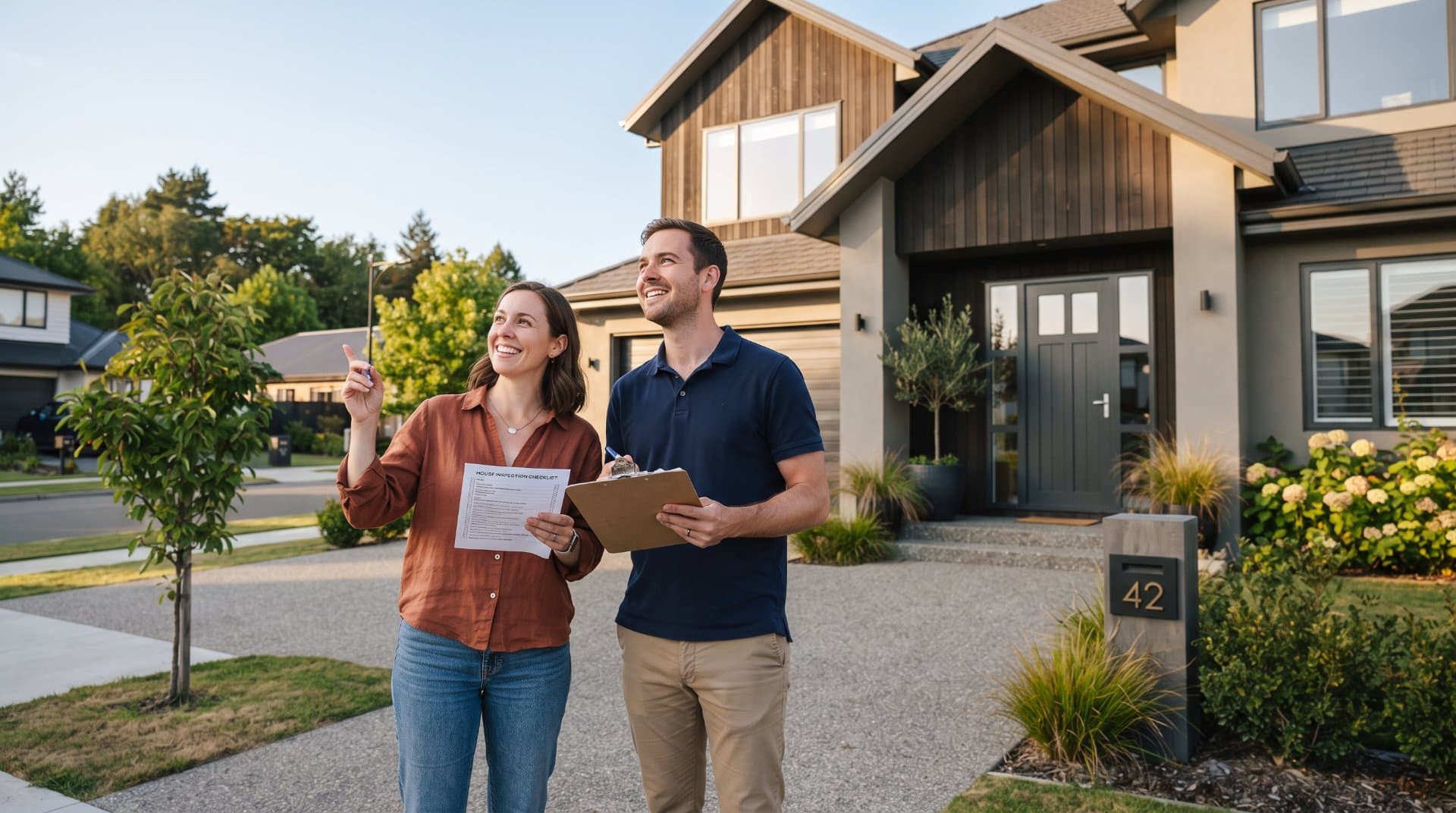
What Should You Check Before Buying a House?
Buying a house is a big decision. Here's a simple, practical checklist of what to check before you buy, from the structure to the paperwork.
 Afshan YasmeenSep 19, 2026
Why Is Location So Important When Buying Property?
Location affects a property's value, daily life and resale potential more than almost anything else. Here's why it matters and what to check.
Afshan YasmeenSep 19, 2026
What Hidden Costs Should You Expect When Buying a Home?
The down payment is just the start. Here's a clear breakdown of the closing costs, taxes and extra fees that catch home buyers off guard.
Afshan YasmeenSep 19, 2026Reader Discussion (0)
No comments yet. Be the first to start the discussion!